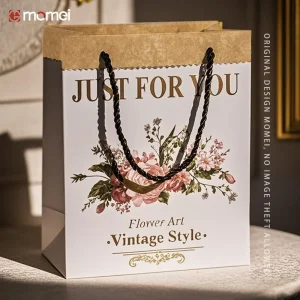
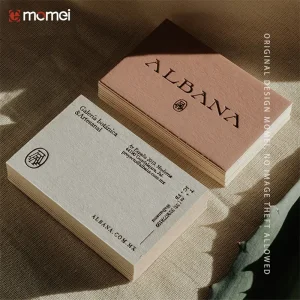
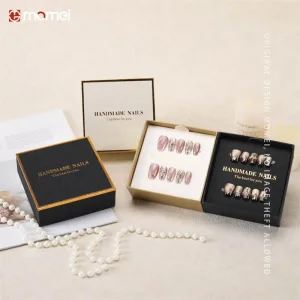
Explore customized packaging solutions tailored for local commerce, from traditional ceremonies to high-end export goods.
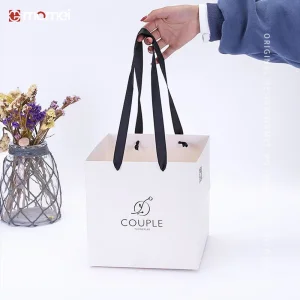
Analyzing structural shifts in transit trade, high-value agricultural exports, and localized consumer preferences.
Afghanistan's domestic market is undergoing a significant retail transition. Historically reliant on bulk packaging and unbranded commodities, the growing integration of regional markets through dry ports like Hairatan, Torghundi, and Torkham has accelerated the demand for modern packaging solutions. Decorative ribbons, once reserved solely for wedding ceremonies and seasonal festivals (such as Eid and Nowruz), are now recognized as essential brand differentiators.
This transformation is most visible in high-value exports. Afghanistan's saffron, ranked among the best in the world, along with premium almonds, pomegranates, and dried figs, require packaging that conveys international luxury standards. A ribbon factory supplying this market must deliver more than simple decorative components; it must provide high-tensile, colorfast satin and grosgrain ribbons that can withstand harsh, dry continental climates without fraying or fading.
Furthermore, the local clothing and textile sector, particularly the trade in traditional woolen wear, embroidered carpets, and ceremonial garments, relies heavily on high-durability woven materials. By establishing strong supply chain channels between advanced manufacturing hubs in China and local distribution centers, businesses in Kabul and Mazar-i-Sharif can now access customized ribbon printing and high-grade structural paper packaging that align with global standards.

Modern Manufacturing Facilities and Decades of Supply Chain Excellence.
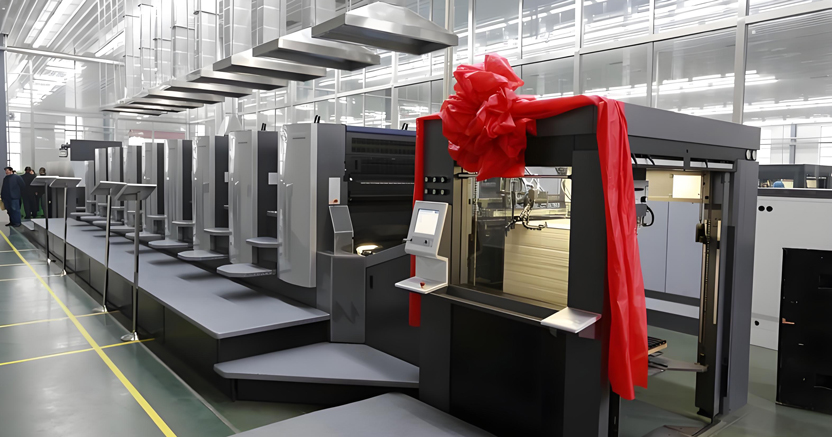
As a leading global packaging supplier, Shaanxi Momei Printing Technology Co., Ltd. operates a state-of-the-art facility covering over 5,000 square meters. We are equipped with advanced machinery to execute complex printing, embossing, and ribbon manufacturing requirements. Our machinery list includes large full-size 7+1UV printing presses, Heidelberg folio 7+1UV printing presses, Heidelberg 6+1UV printing presses, Heidelberg folio 5+1 offset printing presses, fully automatic laminating machines, die-cutting machines, hot stamping machines, and high-speed bottom-hook box gluing machines.
Our founder entered the packaging and printing field in 2004, building a comprehensive packaging production ecosystem of more than 300 specialized companies. This extensive network spans design, raw material procurement, pre-press proofing, post-press processing, and global logistics, enabling a complete, closed-loop service.
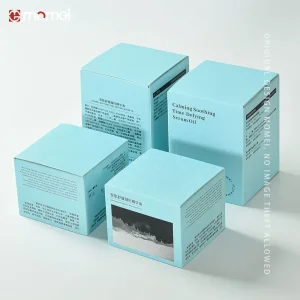
Combining structural safety with high-impact aesthetics to ensure your brand stands out in competitive regional retail markets.

Minimizing production defects through systematic material testing and process monitoring.
We manage product reliability through a comprehensive, three-level quality monitoring system. This loop begins with raw material inspection, followed by in-process quality control, and concludes with final verification of completed products. Our quality controls maintain our target defect rate below 0.3% for customized, small-batch packaging runs.
This strict quality management is critical for imports targeting the Afghan market. Long overland transport routes and changing climatic conditions place extra physical stress on packaging. By utilizing structural designs from our database, we can manufacture drop-tested box profiles and tear-resistant ribbons that maintain structural integrity throughout transport and warehousing.
A collaborative, engineering-first approach to complex commercial packaging challenges.
We work to understand customer-specific requirements, target markets, and shipping challenges.
We work alongside buyers to optimize material thickness and structural design to manage total shipping costs.
We design custom branding and structural configurations, providing unique options in competitive retail environments.
We oversee production schedules from design to final loading, ensuring consistent delivery to transport partners.
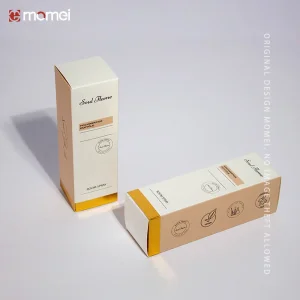
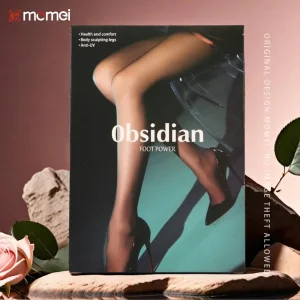
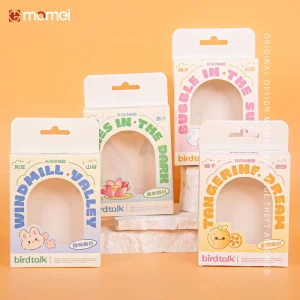
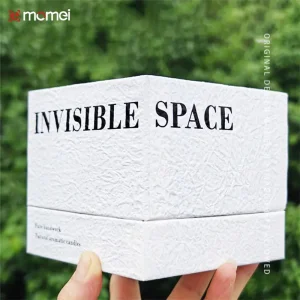
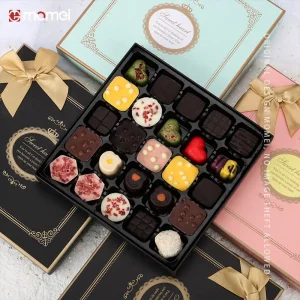
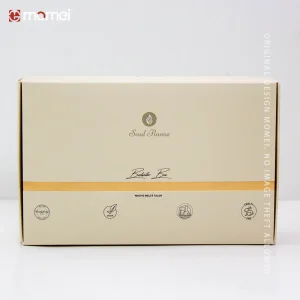
Custom-engineered boxes, gift bags, and ribbons configured to survive long-distance logistics corridors.
Selecting appropriate decorative and binding components requires understanding ribbon materials and processing methods. In high-humidity environments, polyester fibers perform differently than in arid regions like western Afghanistan. At Shaanxi Momei, we use high-grade synthetic materials to ensure our satin and grosgrain ribbons maintain their structural properties and appearance.
The tactile feel and surface sheen of a ribbon are determined by its weave. Single-sided satin features a smooth, glossy surface and a matte back, making it a cost-effective option for box wrapping. Double-sided satin provides a consistent sheen on both faces, which is suitable for visible ribbon handles and hanging tags. Grosgrain ribbon is distinguished by its ribbed texture, created by dense weft threads. This texture provides higher tensile strength and a secure grip when knotted, making it popular for heavier perfume boxes and high-end carpet ties.
We use high-temperature pressure dyeing systems to achieve color consistency across different production batches. Maintaining stable colors is important for corporate branding. For custom text and patterns, we offer screen printing, hot foil stamping, and digital transfer processes. Our gold and silver foil finishes use durable heat adhesives to prevent peeling during transport.
Delivering bulk goods to landlocked markets requires structured logistics planning. We ship packaging orders via established overland corridors and sea-rail routes. The primary land corridor goes from China via Khorgos, through Kazakhstan and Uzbekistan, crossing into northern Afghanistan at the Hairatan border station. The secondary route utilizes sea transit to Karachi port, followed by overland delivery through Torkham or Chaman.
To safeguard printed boxes and ribbons against dust and moisture during long-distance transit, we package orders in thick, double-wall corrugated shipping boxes protected by heavy-gauge polyethylene moisture barriers. Foldable box structures are shipped flat to maximize container space and reduce regional shipping costs.
Central and South Asian climates experience significant shifts in temperature and humidity, which can affect adhesive bonding and paper tension. We address these conditions by selecting temperature-resistant hot-melt adhesives and laminating films. This formulation prevents cosmetic separation or structural warping during warehousing, ensuring products arrive in clean, stable condition.
Essential technical, logistical, and design information for Afghan business owners importing custom packaging.
 Momei Printing