In the contemporary landscape of global retail, the role of custom wine bottle bags has evolved from simple utilitarian containment to a sophisticated instrument of brand equity. As a premium packaging supplier, we analyze the current market through a lens of Information Gain: it is no longer about just holding a bottle; it is about the "unboxing experience" and supply chain transparency.
The global shift towards circular economies has compelled the wine industry to abandon single-use plastics. Our custom bags utilize recyclable Kraft, FSC-certified specialty papers, and water-based inks, ensuring that your packaging aligns with the environmental values of today’s discerning consumer.
From high-end vineyard cellar doors in Napa Valley to duty-free retail in Shanghai, the requirements differ. Our engineering team customizes structural integrity based on regional logistics—ensuring durability during long-haul transport while maintaining premium shelf aesthetics.
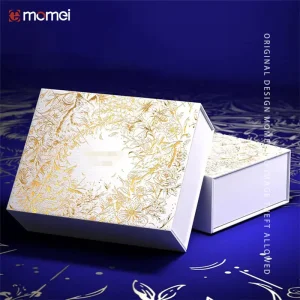
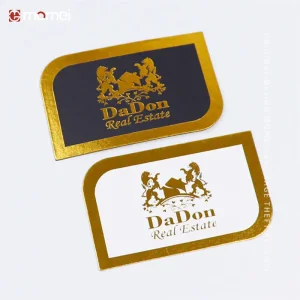
Modern packaging leverages hot foil stamping, UV spot finishes, and magnetic closures. We integrate these processes into a standardized production loop, reducing lead times and minimizing material waste, providing a high-tech edge to artisanal aesthetics.
Shaanxi Momei Printing Technology Co., Ltd. is not just a supplier; we are an extension of your creative team. With over 5,000 square meters of factory space and advanced Heidelberg printing ecosystems (7+1UV, offset), we bridge the gap between design vision and physical reality.
Founded in 2004, we have spent two decades refining a supply chain of over 300 collaborative entities. This allows us to offer end-to-end solutions: from structural design and raw material sourcing to precise post-press finishing.
Wine bottles are heavy. Unlike standard gift bags, wine bottle packaging requires reinforced gussets and specific GSM paper stock to prevent bottom rupture. Our engineering team calculates load-bearing capacities during the design phase.
We have optimized our workflow to handle small-batch customization with the same rigor as mass production, ensuring the 0.3% defect rate is maintained through our digitized quality control systems.
 Momei Printing