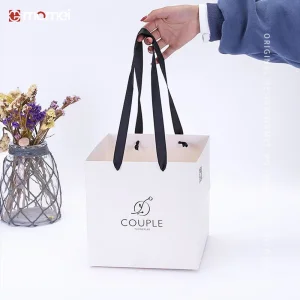
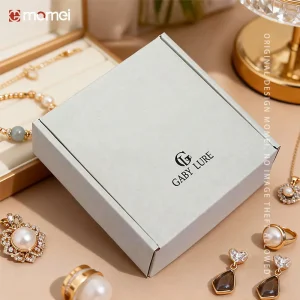
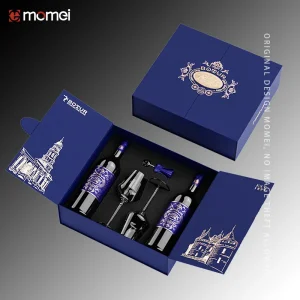
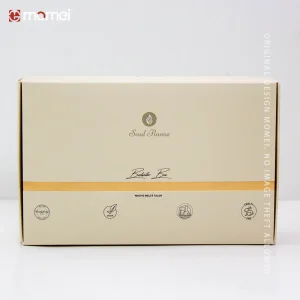
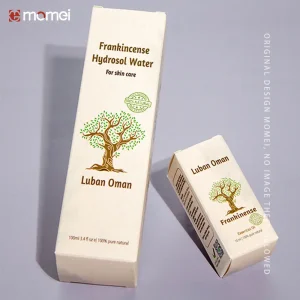
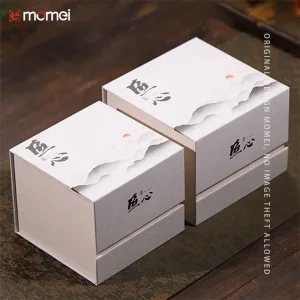
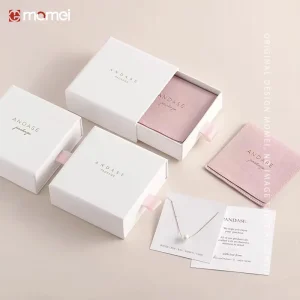
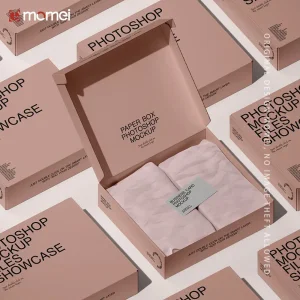
In the contemporary global luxury goods and beverage market, the role of packaging has transcended mere containment. For premium wine brands, the paper wine bag acts as the final brand touchpoint, a critical element in the consumer's unboxing journey. Our analysis reveals a shift toward high-tensile, eco-friendly substrates and tactile finishings that communicate quality before the bottle is even opened.
The global demand for paper wine bags is currently driven by a confluence of sustainability mandates and luxury positioning. Consumers are increasingly rejecting single-use plastics in favor of FSC-certified, recyclable, and compostable paper solutions. Advanced printing techniques, such as UV spot gloss, hot foil stamping, and debossing, are becoming the baseline for premium wine gift packaging, allowing brands to create sensory-rich experiences that justify price points.
Sourcing high-quality paper wine bags requires a deep understanding of structural integrity and logistical safety. Buyers must prioritize suppliers who offer integrated solutions—combining material science (to prevent bottom-tear during transport) with precision engineering. The industry is moving toward a "closed-loop" supply chain model, where design, raw material procurement, and printing occur in a synchronized ecosystem, reducing lead times and ensuring consistent quality control standards, such as the 0.3% defect rate target.
Modern production facilities, such as Shaanxi Momei Printing Technology, leverage Heidelberg folio 7+1UV and other cutting-edge offset printing assets to ensure color accuracy and structural stability. Future outlooks suggest the integration of "smart packaging" technologies—incorporating NFC tags and QR codes directly into the bag design—to facilitate anti-counterfeiting and consumer engagement. Compliance with ISO manufacturing standards and ethical labor practices remains the cornerstone for long-term B2B partnerships.
At the intersection of design and industrial printing, Momei Printing provides an end-to-end service closed-loop. With over 20 years of experience (since 2004), our supply chain integrates over 300 companies to deliver holistic packaging solutions. We don't just supply bags; we orchestrate packaging architectures that drive commercial value.
Durability depends on the GSM of the paper (typically 200g-300g for wine), the handle construction (rope vs. ribbon vs. die-cut), and the reinforcement of the bottom card. High-quality suppliers use reinforced glue-lock systems to ensure the bag can hold the weight of standard and magnum bottles securely.
Utilize post-press finishing techniques like Hot Foil Stamping for metallic accents, Embossing for texture, or UV spot coating for a premium contrast between matte and gloss surfaces. These techniques transform a standard paper bag into a luxury marketing tool.
A closed-loop system reduces the risk of quality variance during the transition between raw material sourcing, design, and printing. It allows for tighter quality monitoring, such as the 0.3% defect threshold, ensuring every unit produced meets enterprise-grade specifications.
 Momei Printing