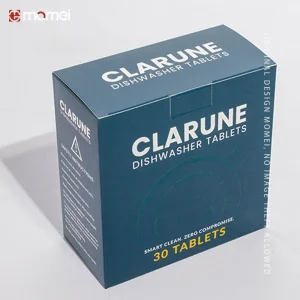
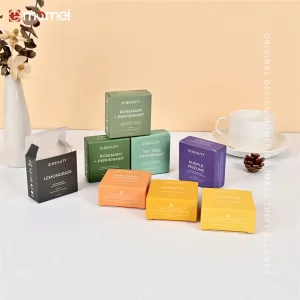
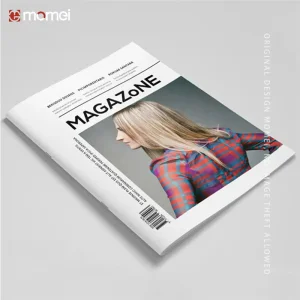
In an era of hyper-connectivity, the packaging industry has transcended mere functionality. It is now the primary touchpoint between a digital-first brand and the consumer. As experts in semantic search optimization and supply chain management, we observe that packaging is no longer just a "container"—it is a strategic marketing asset that dictates unboxing experience, brand perception, and logistics efficiency.
Modern enterprises, from cosmetic startups to global electronics manufacturers, are moving away from generic, off-the-shelf packaging. The demand for customized, sustainable, and smart packaging has surged. Procurement managers now prioritize vendors who offer "Information Gain"—providing deep insights into material durability, eco-compliance, and optimized structural design. The reliance on Chinese manufacturing hubs, like the facilities of Momei Printing, provides a critical advantage: an integrated ecosystem that combines high-speed automation with the artisanal attention to detail required for specialty gift packaging.
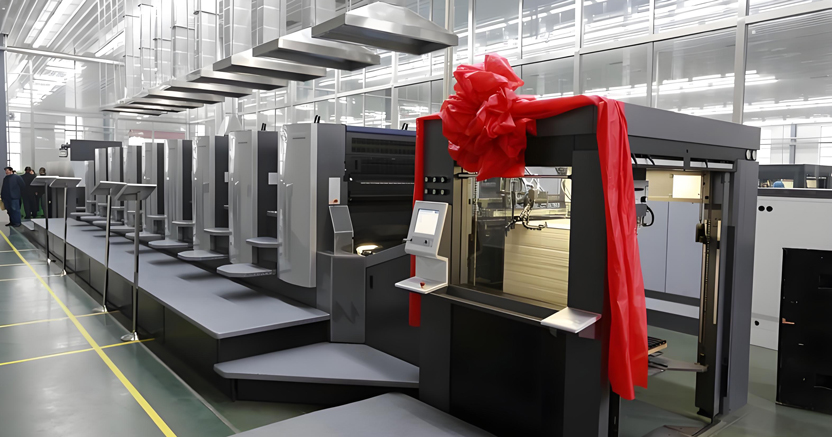
The synergy between massive economies of scale and advanced digital printing technology (like Heidelberg 7+1 UV presses) allows factories to maintain a defect rate of under 0.3%. This is not merely manufacturing; it is *precision engineering*. By leveraging a 300+ company supply chain, top-tier suppliers have eliminated the "silo" effect of traditional production, enabling rapid prototyping (from 0 to 1) that is essential for brands launching new products in saturated markets.
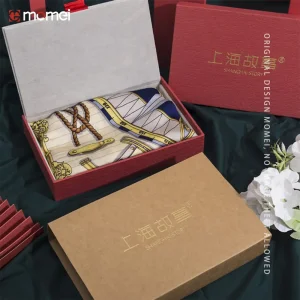
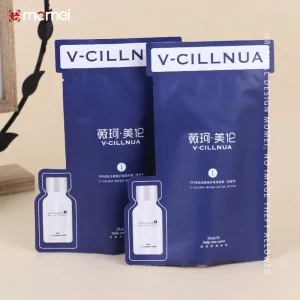
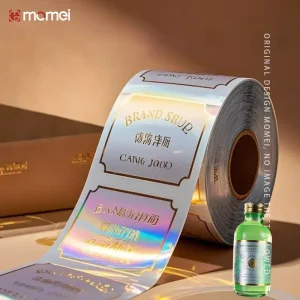
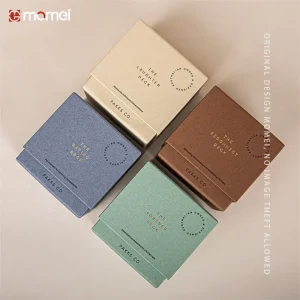
We are not just a factory; we are a solution hub. With over two decades of technical evolution, we have mastered the nuances of UV stamping, barrier pouch lamination, and rigid box structural design. Our E-E-A-T credentials are built upon years of providing consistent, high-quality output for international clients. We translate your brand's vision into structural reality.
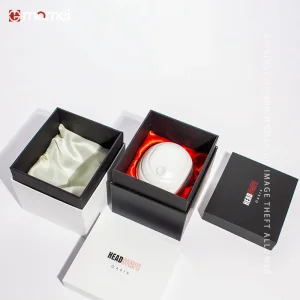
High-quality packaging is a psychological signal of value. Custom structural designs, such as magnetic closures or specialized inserts, increase the perceived value of the product, directly influencing "unboxing" experiences and social sharing—vital for modern digital marketing.
Reliability hinges on three pillars: technical capability (printing press quality), supply chain control (raw material sourcing), and QC management (3-level inspection). A true supplier acts as a consultant, helping you navigate material costs versus durability requirements.
It shifts the focus from price-only comparisons to value-driven partnerships. Understanding the *why*—why specific coatings, materials, or structural choices matter—allows procurement teams to make decisions that reduce long-term costs (logistics, damage, returns).
 Momei Printing