A technical guide to selecting custom material handling suppliers, paperboard packaging integration, structural box engineering, and OEM/ODM manufacturing ecosystems in China.
In the current globalized industrial environment, physical goods logistics, packaging structural integrity, and optimized material handling are fundamental drivers of enterprise profitability. Search intent analyses among fortune-500 procurement officers, supply chain directors, and brand managers confirm that selecting qualified custom material handling suppliers and factories goes far beyond acquiring standard cardboard containers. Modern procurement demands an integrated engineering approach: smart structural design, automated handling compatibility, structural load distribution, zero-defect quality assurance, and sustainable end-of-life lifecycle compliance.
Information Gain Insight: Advanced custom material handling packaging bridges the gap between raw transit protection and brand-building unboxing experiences. By moving from stock packaging to engineered structural paperboard solutions, enterprise brands reduce total volumetric shipping costs by up to 18% while cutting product defect/damage rates during transit to under 0.3%.
As industrial automation, robotic sorting, and automated guided vehicles (AGVs) dominate modern distribution centers, the physical packaging units housing consumer goods, cosmetics, electronics, and food must meet rigid dimensional tolerances. Structural stability, moisture resistance, compression strength, and precise fold geometry dictate whether high-speed automated warehouses can process goods seamlessly or face costly downtime. Partnering with a vetted Chinese packaging and material handling supplier offers brands the technological leverage to build high-performance, cost-effective OEM packaging systems.
Analyzing the macro-economic and technical cluster advantages of China's advanced packaging manufacturing hubs.
China hosts the world's most concentrated paperboard raw material, chemical coating, precision mold, and machinery ecosystem. With instant access to specialized substrates—from high-density grayboards to food-grade virgin pulp kraft—lead times are drastically reduced.
Chinese factories excel in rapid custom prototyping and short-run structural testing. Advanced CAD sampling and multi-axis CNC laser cutting allow custom box samples to be engineered, evaluated, and adjusted within 24–48 hours.
Leveraging high-speed automated equipment (Heidelberg multi-color presses, high-speed bottom-hook folder-gluers), factories deliver high precision at scale, significantly lowering unit cost while preserving premium surface embellishments.
Shaanxi Momei Printing Technology Co., Ltd. stands as a benchmark enterprise among Chinese custom material handling and packaging manufacturers. Integrating end-to-end planning, visual design, custom packaging printing, structural development, and global logistics, Momei operates a state-of-the-art facility spanning over 5,000 square meters.
Founded by industry visionaries who entered the packaging and printing arena in 2004, Momei has spent two decades building a complete closed-loop manufacturing ecosystem. Today, Momei anchors a interconnected supply chain network of more than 300 specialized companies covering everything from virgin raw material mills to specialized post-press foil stamping facilities.
"Let packaging create commercial value." — Momei's guiding operational philosophy guarantees that every custom container, pull-out box, and display system delivers tangible ROI and brand protection.
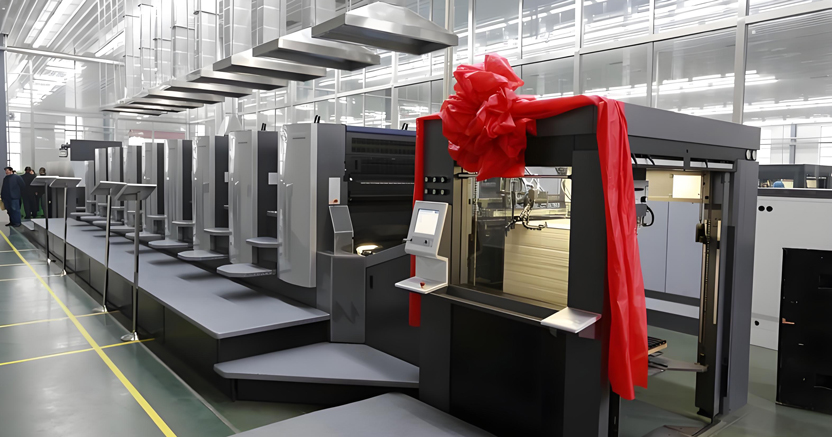
Large full-size 7-color plus inline UV coating press for multi-substrate printing including metallic cards & plastics.
Ultra-precise registration press designed for luxury gift box wraps and high-fidelity brand graphics.
Versatile high-speed offset printing presses ensuring perfect PMS color accuracy across large production volumes.
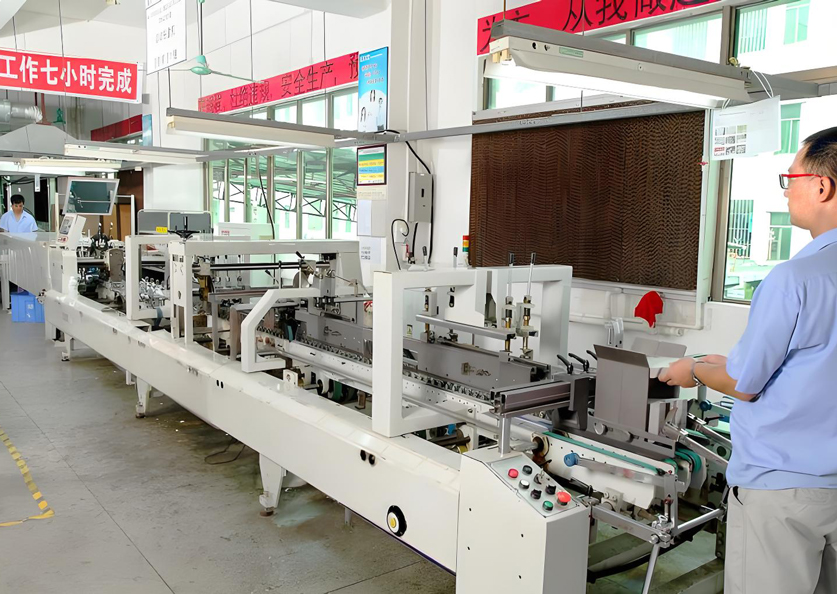
Automatic laminating machines, high-speed die-cutters, hot foil stampers, and bottom-hook gluer lines.
To maintain a batch defect rate below 0.3% across custom packaging orders, Momei implements a standardized quality monitoring framework across all manufacturing steps:
| Quality Control Tier | Testing Parameters & Equipment | Standard Operating Protocol | Defect Suppression Goal |
|---|---|---|---|
| Tier 1: Raw Material Inbound Validation | Paperboard GSM density, burst strength index, moisture content %, surface tension, opacity tests. | 100% batch sampling against ISO 186 standards prior to reel or sheet warehouse admission. | Eliminates structural collapsing or ink bleeding from defective paper stock. |
| Tier 2: In-Process Quality Assurance (IPQA) | Spectrophotometer color delta-E (<1.5), register alignment, glue adhesion shear strength, UV cure hardness. | Inline optical cameras + technician audits every 30 minutes on Heidelberg automated lines. | Prevents color shifting, misregistration, and spot coating alignment flaws. |
| Tier 3: Finished Product Full Inspection | Structural folding test, magnetic closure strength, corner seam integrity, ISTA drop test simulation. | Full visual and functional inspection prior to protective film wrapping and palletization. | Guarantees zero-defect outbound shipments for global customer shipments. |
How automation, sustainability requirements, and visual marketing are reshaping global packaging requirements.
Global regulatory pressure (such as the EU Packaging and Packaging Waste Directive) mandates circular economy compliance. Top material handling suppliers are transitioning to FSC-certified papers, recyclable mono-material barrier laminates, and soy-based printing inks without sacrificing mechanical structural strength.
Material handling containers are increasingly incorporating dynamic tracking identifiers—such as 2D scannable QR codes, RFID tags, and automated barcode panels. This enables real-time inventory tracking, automated sorting in smart warehouses, and anti-counterfeiting verification across global supply chains.
To reduce shipping volume and warehouse storage footprints, custom suppliers are engineering multi-functional foldable boxes, rigid magnetic flat-pack boxes, and modular tray inserts. These designs combine structural rigidity during transit with space-saving compact flat shipment profiles.
Exploring how specialized packaging engineering addresses distinct sector challenges.
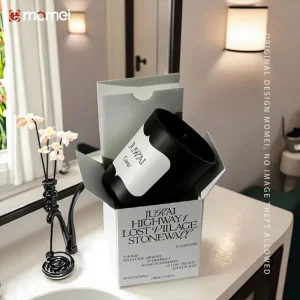
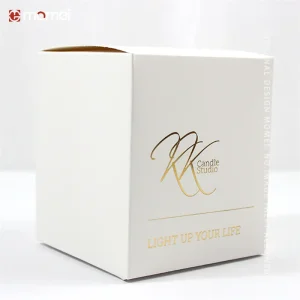
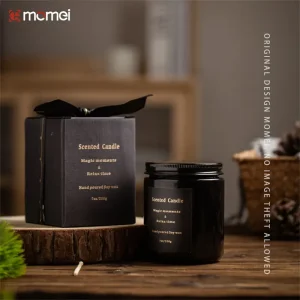
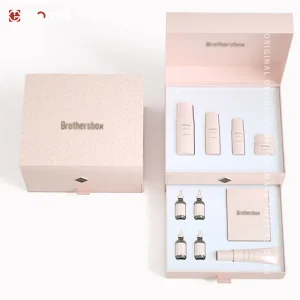
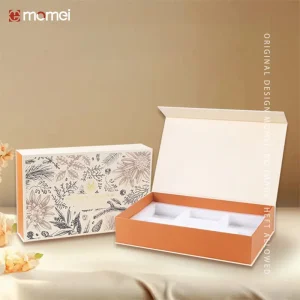
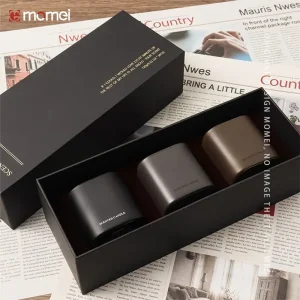
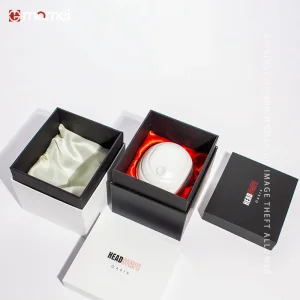
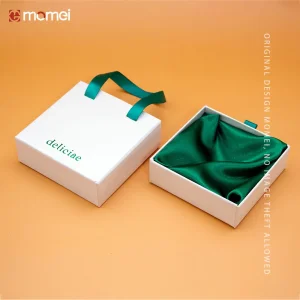
Luxury skin care items, perfumes, and personalized candle sets require pristine aesthetic presentation matched with high physical protection. Solutions such as custom double book-type boxes, bronze foil stamped candle packaging, and black card rigid boxes utilize high-density greyboard and custom EVA or paper card inserts to prevent breakage while delivering an premium unboxing experience.
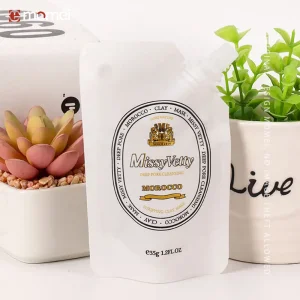
From pull-out empty food containers to high-barrier glossy spouted stand-up pouches for liquids, food packaging requires non-toxic materials, moisture resistance, leakage prevention, and compliance with strict food contact safety standards.
Massage devices, personal tech accessories, and high-value hardware demand shock-absorbing packaging. Utilizing velvet-lined or satin-lined greyboard gift boxes guarantees anti-static cushion defense against impact and vibration during international freight handling.
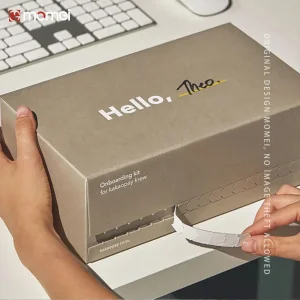
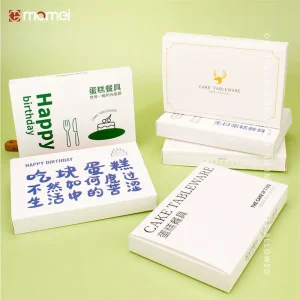
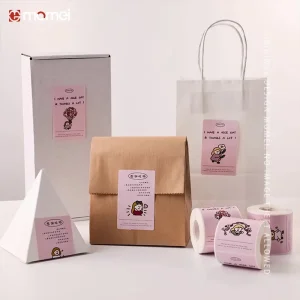
Custom die-cut cardboard mailer boxes, personalized woven tote bags, and branded thank-you packaging stickers streamline high-volume fulfillment, building strong customer unboxing engagement for direct-to-consumer (D2C) brands.
How we bridge brand creative vision with reliable manufacturing execution.
We listen carefully to understand customer pain points, budget parameters, protection requirements, and distribution challenges before proposing structural designs.
We collaborate with your procurement and product teams to discover core brand value, providing strategic advice on material selection, finishing, and structural cost optimizations.
We focus on original packaging engineering and surface aesthetics, producing customized products that make your brand stand out in competitive global markets.
From initial strategic concepts to full automated press production, inline QC, and global export shipping, we offer single-source project tracking for complete peace of mind.
Key technical considerations when evaluating custom packaging suppliers and manufacturing plants.
When engineering material handling containers and rigid gift packaging, choosing the correct paperboard grammage is vital for transit durability. Premium rigid boxes generally incorporate a 1200 GSM to 1800 GSM greyboard core, wrapped in 157 GSM art paper with matte or glossy lamination. For heavy-duty e-commerce mailing or industrial component handling, corrugated fluting (E-flute, B-flute, or double-wall EB-flute) provides high side-wall burst strength under stacking loads.
Surface treatments serve both dynamic aesthetic and protective purposes. Hot foil stamping (gold, silver, or bronze) paired with deep embossing elevates visual positioning. Meanwhile, Spot UV coatings add tactile depth while creating protective barrier against moisture absorption and surface scuffing during shipping.
For high-volume retail goods, manual box assembly creates labor bottlenecks. Modern packaging designs emphasize auto-bottom structures, magnetic collapsible construction, and pre-applied adhesive peel strips. Exact dieline cut accuracy (+/- 0.5mm) ensures high compatibility with high-speed automated packing machinery.
Addressing common technical inquiries from international buyers, OEMs, and brand managers.
Because custom die-cutting tooling and Heidelberg offset press setups involve initial mechanical configuration, typical production MOQs start between 500 to 1,000 units per custom design. However, flexible small-batch options are available for specialized structural packaging runs.
Momei enforces a rigorous three-level quality monitoring system (raw material testing, in-process optic and spectrophotometer quality control, and full inspection of finished products). This system consistently holds defective rates below 0.3% across custom packaging orders.
We accept vector artwork in Adobe Illustrator (.AI), PDF, or EPS formats with vector outlines and embedded CMYK or Pantone (PMS) color profiles. Our engineering team can also provide custom CAD vector dielines tailored to your exact product dimensions.
Yes. We offer FSC-certified recycled paperboards, soy-based biodegradable inks, water-based aqueous coatings, and fully recyclable mono-material barrier stand-up pouches that comply with international ESG standards.
Structural digital sampling and physical prototyping usually take 3 to 5 business days. Once samples are approved and artwork is confirmed, full mass production is typically completed in 12 to 18 working days depending on finish complexity.
Magnetic foldable gift boxes are manufactured with engineered score lines and magnetic closures that allow them to ship completely flat. This reduces volumetric shipping space by up to 75% compared to pre-assembled rigid boxes, lowering container freight costs significantly.
 Momei Printing