In today’s fast-paced world, efficient packing solutions are essential for businesses. Experts like Sarah Thompson, a packaging specialist at EcoPack Solutions, emphasize the importance of choosing the right materials. She states, “High-quality paper boxes can elevate your brand and protect your products.”
Paper boxes for packing are not just functional; they convey a message. The texture, design, and durability of these boxes can reflect your brand's identity. In an era where sustainability matters, opting for eco-friendly paper boxes is a responsible choice. However, it's crucial to assess the balance between cost and quality. Some may seek cheaper options, which could compromise product safety.
It's clear that while paper boxes for packing present many advantages, challenges exist. Brands must take time to find reliable suppliers. The right choice offers not only economy but also enhances consumer perception. In the long run, investing in quality paper boxes leads to better packing solutions.
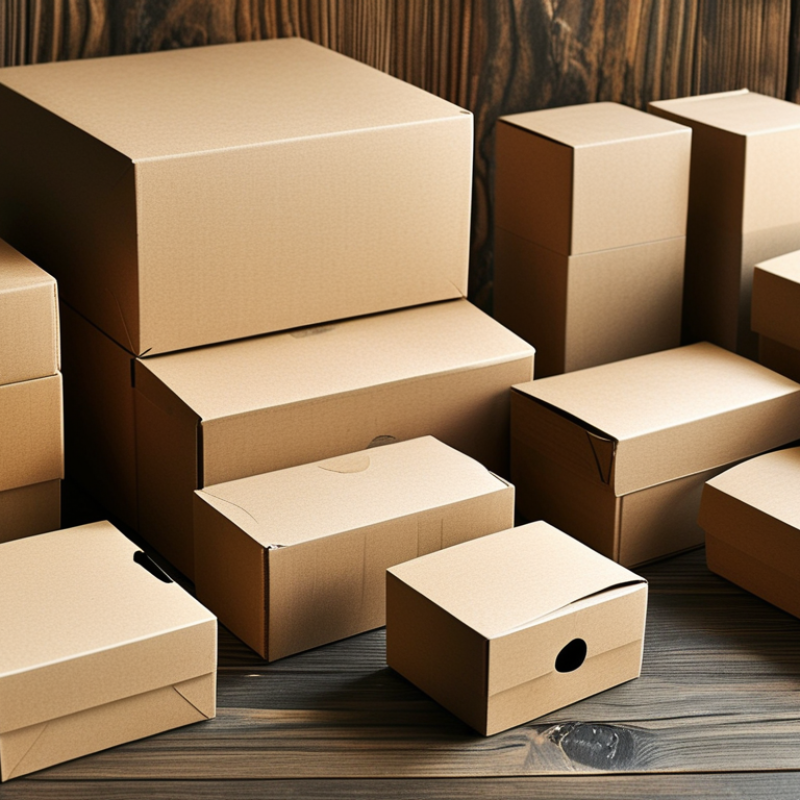
When considering packing solutions, various types of paper boxes serve different needs. Rigid boxes are excellent for high-end items, offering sturdy protection. A report from Smithers Pira highlights that the global market for rigid boxes is expected to reach $30 billion by 2025. This growth reflects the demand for premium packaging in sectors like cosmetics and electronics.
For lighter goods, folding cartons are popular. They provide flexibility and are cost-effective. In 2022, folding cartons composed nearly 50% of the paper packaging market, according to the Paper and Packaging Board. This type easily adapts to different shapes and sizes, making them perfect for food items and everyday products. However, the challenge lies in ensuring these boxes remain robust during transportation.
Mailing boxes are another category crucial for e-commerce. They ensure items arrive safely at their destination. However, not all mailing boxes meet the required strength standards. A study by the Institute of Packaging Professionals found that 30% of online retailers faced issues with package damage. Choosing the right type is paramount. Businesses must evaluate their products and select suitable box types carefully. This not only enhances customer satisfaction but also optimizes packaging costs.
Paper boxes are gaining popularity in the packaging industry for several good reasons. They are not only eco-friendly, but they also offer robust protection for various products. According to a recent study by Smithers Pira, the demand for sustainable packaging is expected to reach $500 billion by 2025. This surge in demand is largely driven by consumers who are increasingly conscious of their environmental impact. Paper boxes are biodegradable and recyclable, making them a preferred choice over plastic.
Cost-effectiveness is another benefit. A report by the Freedonia Group revealed that paperboard packaging will grow by 4% per year through 2026. This growth can be attributed to the competitive pricing of paper materials compared to other options. Additionally, paper boxes provide excellent customization opportunities, allowing brands to create unique designs that enhance their product's appeal.
When considering packaging solutions, keep in mind that paper boxes can sometimes be less durable than plastic options. Depending on your product, this might warrant careful consideration. Remember to assess the product's weight and fragility before making a final choice. Always think about the balance between cost, sustainability, and protection for the best packaging strategy.
When selecting quality paper boxes, consider the construction material. Strong and durable paper is essential. These boxes should withstand shipping and handling. Thick walls add protection. Look for boxes made from recycled materials. This choice is not only eco-friendly but also demonstrates responsible sourcing.
Also, pay attention to the design versatility. Custom shapes and sizes can meet various packaging needs. A well-designed box enhances the unboxing experience. It attracts customers and builds brand loyalty. Make sure the boxes have secure closures. Flaps or locking mechanisms keep the contents safe during transit.
Finally, assess the print quality. A clean, professional look reflects your brand's values. Clear, high-resolution graphics create a positive impression. Imperfections may occur, but they can prompt reflection on maintaining quality and consistency. Regular quality checks can help prevent errors and enhance reliability. Always aim for improvement in your packaging strategies.
| Box Type | Material | Thickness | Size (L x W x H) | Weight Capacity | Uses |
|---|---|---|---|---|---|
| Flat Boxes | Recycled Paper | 0.5 mm | 12 x 12 x 2 inches | Up to 2 lbs | Shipping, Gift Packaging |
| Die-Cut Boxes | Kraft Paper | 1.0 mm | 10 x 7 x 5 inches | Up to 5 lbs | Retail, Product Display |
| Mailer Boxes | Corrugated Paper | 3.0 mm | 14 x 10 x 4 inches | Up to 10 lbs | E-commerce Shipping |
| Gift Boxes | Coated Paper | 0.8 mm | 8 x 8 x 4 inches | Up to 3 lbs | Celebrations, Events |
| Food Boxes | Food-Grade Paper | 1.5 mm | 6 x 6 x 3 inches | Up to 4 lbs | Takeout, Catering |
Choosing the right size and style of paper box for your packing needs can be challenging. The right box not only protects your items but also enhances their appeal. Start by measuring your products accurately. Knowing the dimensions will help you avoid wasting material and ensure a snug fit.
When selecting a box style, consider the item you’re packing. Are your items fragile? A sturdy box with additional padding is essential. For gifts, decorative styles add a nice touch. Remember, the box is part of the presentation. It should reflect the value of the product.
Tips: Use a mix of sizes. This allows flexibility for different items. Don’t overlook eco-friendly options. Sustainable materials can attract environmentally conscious customers. Consider your audience. A carefully chosen box can make a lasting impression. Take your time and test different combinations to find what works best for you.
Sustainability is crucial in today's packaging industry. Paper boxes offer a renewable option, aligning with eco-conscious consumer trends. Studies show that sustainable packaging can improve brand loyalty. In a survey by Nielsen, 81% of consumers prefer sustainable options. This presents a significant opportunity for businesses to thrive.
However, challenges remain in the paper packaging sector. Not all paper is created equal. Sourcing materials from responsible forestry practices is essential. Approximately 30% of paper products still come from non-sustainable sources. This gap raises concerns for brands aiming for better environmental practices.
Moreover, the recycling process can be complicated. Many consumers are unsure about proper recycling methods. A report from the International Council of Forest and Paper Associations states that only 66% of paper is recycled globally. Brands need to educate customers on recycling. This effort will not only improve sustainability but also foster trust and reliability among consumers who value eco-friendly practices.
: Rigid boxes provide sturdy protection for high-end items. They are popular in cosmetics and electronics packaging.
Folding cartons are flexible and cost-effective boxes, ideal for food and everyday products. They adapt well to different shapes.
Mailing boxes protect items during shipping. They ensure products arrive safely but can vary in strength and durability.
Paper boxes are eco-friendly, biodegradable, and recyclable. They are a sustainable alternative to plastic packaging materials.
Paper materials are competitively priced. They offer good customization and appeal, boosting sales while keeping costs low.
Paper boxes can be less durable than plastic. It's essential to assess the product's weight and fragility when choosing.
Growing consumer awareness of environmental issues drives demand for paper boxes, expected to reach $500 billion by 2025.
Businesses need to evaluate product types, packaging costs, and customer expectations for optimal packaging solutions.
Ensuring that folding cartons remain robust during transit can be difficult. Poor durability impacts product safety.
Sometimes, paper boxes don’t provide enough protection for fragile items. Careful consideration is necessary for high-risk products.
In today's packaging landscape, "Paper Boxes For Packing" are increasingly favored for their versatility and sustainability. Various types of paper boxes cater to diverse packing needs, offering solutions for everything from delicate items to bulk goods. The benefits of using paper boxes, such as eco-friendliness and aesthetic appeal, position them ahead of many traditional materials.
When selecting paper boxes for packing, it is essential to consider key features like durability and design, as well as the appropriate size and style to ensure optimal protection for the contents. Additionally, a focus on sustainability is paramount, as more companies seek packaging solutions that are not only effective but also environmentally responsible. Thus, choosing the right paper box can significantly elevate the packing experience while supporting green initiatives.

Momei Printing