In today's competitive market, businesses seek unique ways to stand out. Personalised Packaging Paper offers an effective solution for brands aiming to create memorable customer experiences. This type of packaging goes beyond mere aesthetics. It reflects a brand's identity and values.
Many global buyers now prefer customised packaging options. They understand the impact of Personalised Packaging Paper on consumer perception. A well-designed package can enhance product appeal, leading to increased sales. It also fosters customer loyalty and brand recognition.
However, companies face challenges in choosing the right materials and designs. There is an overwhelming variety of options available. Balancing creativity with functionality is essential. Brands must consider their target audience and market trends carefully. Reflecting on these aspects can lead to better decision-making in packaging choices.
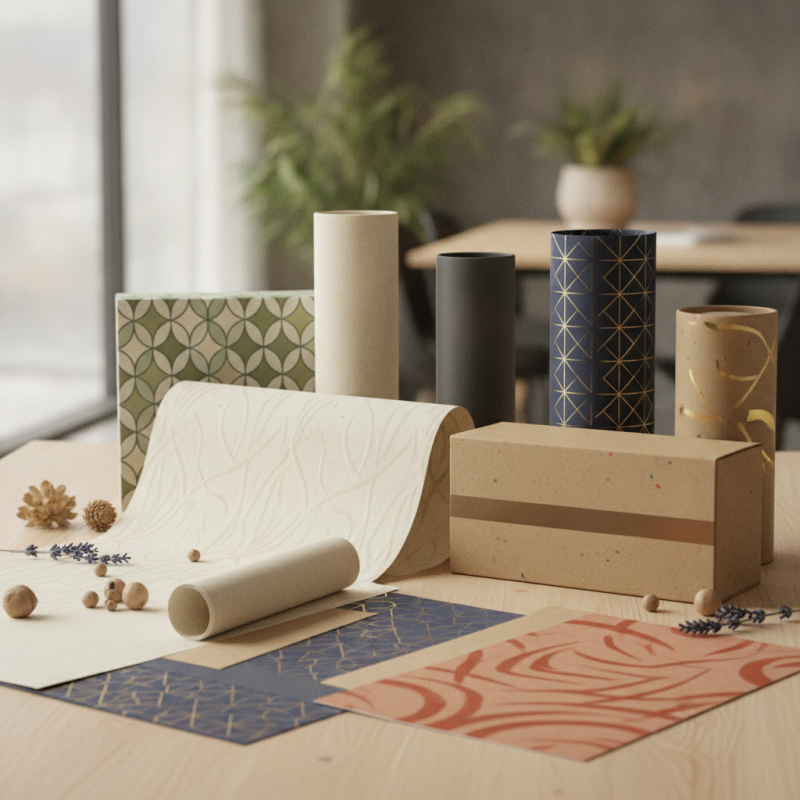
Personalised packaging paper is gaining traction in global markets. Consumers are drawn to unique designs that reflect their identity. Trends indicate a shift towards eco-friendly materials. Buyers are increasingly looking for sustainable options that reduce environmental impact.
Customization remains a key focus. People enjoy wrapping gifts in paper that tells a story. Bright colors and bold patterns are popular. However, some designs struggle with legibility. Clarity can be lost in intricate patterns, which might confuse the recipient.
Another interesting trend is the integration of technology. Brands are exploring QR codes on packaging. These codes can lead to interactive content. Yet, not all consumers engage fully with this technology. Balancing innovation with clear communication is essential. As businesses adapt, the challenge will be to meet the evolving expectations of consumers.
Personalised packaging paper is increasingly popular among global buyers. The selection of materials significantly impacts its appeal and sustainability. A report from Smithers shows that the global market for eco-friendly packaging is projected to reach $475 billion by 2026. This shift emphasizes the importance of using sustainable materials in personalised packaging.
Recycled paper remains a top choice. It balances durability and environmental friendliness. Studies indicate that recycled paper uses 60% less energy compared to virgin fibers. This reduction is crucial as brands look to decrease their carbon footprints. Additionally, Kraft paper is favored for its strength and versatility. It can easily be customized with digital printing technologies.
Biodegradable options are gaining traction. Materials like corn starch and bamboo are becoming popular. They provide an eco-conscious alternative without sacrificing quality. However, the challenge lies in ensuring these materials can maintain high print fidelity. Not all biodegradable options are suitable for every application. Each choice should consider both aesthetic appeal and functionality. As the industry evolves, continuous assessment of material performance is essential.
E-commerce has rapidly evolved, driving the demand for personalised packaging solutions. This trend highlights the need for packaging that reflects a brand's identity and resonates with consumers. Personalised packaging not only enhances the unboxing experience but also strengthens brand loyalty. As a result, many businesses are adapting their packaging strategies to include custom designs, colors, and messaging.
The growth of personalised packaging in e-commerce shows no signs of slowing down. According to recent observations, a significant portion of consumers prefers unique packaging. It can create memorable experiences that enhance customer satisfaction. However, not every company successfully implements these strategies. Some face challenges in sourcing materials or maintaining quality. Brands must find ways to address these hurdles while ensuring their packaging remains eco-friendly and cost-effective.
There’s an ongoing conversation about balancing personalisation with practicality. While intricate designs can grab attention, they may also increase production costs. Companies must weigh the benefits against potential drawbacks. Leveraging technology like digital printing can help solve some issues but could introduce new complexities. The demand for personalised packaging is growing, but achieving it requires careful planning and thoughtful execution.
Sustainability practices in the personalised packaging paper industry are increasingly crucial. According to a recent report by the Sustainable Packaging Coalition, over 70% of consumers prefer brands that use eco-friendly materials. Personalised packaging paper, often viewed as a luxury, now faces pressure to adopt greener methods.
Recycling and renewable resources play a vital role. Many manufacturers are sourcing fibers from sustainably managed forests. This ensures that only 100% recyclable materials are used. Additionally, water-based inks are becoming the standard, eliminating harmful solvents. Yet, challenges remain. Only 30% of companies currently use renewable energy in production processes.
A focus on reducing waste is essential. Reports indicate that about 40% of packaging waste ends up in landfills. Implementing practices like minimalistic design can lead to significant reductions in materials used. Companies need to rethink their approaches and embrace innovation. While progress is evident, the journey toward sustainability in personalised packaging is ongoing.
Consumers worldwide are increasingly drawn to personalized packaging solutions. Customization adds a unique touch that resonates with buyers. It transforms simple wrappers into an extension of a brand’s identity. The tactile experience combined with unique designs can enhance customer satisfaction.
Market trends show a rising demand for sustainable materials in personalized packaging. Eco-friendly options often attract consumers who prioritize environmental impact. However, finding the right balance between aesthetics and sustainability poses challenges. Many buyers feel limited by the available materials or printing techniques. They wonder how to maintain quality while being eco-conscious.
Personalized packaging is not just about looks. It also relates to user experience. Custom sizes and shapes can lead to better product protection during transit. Still, many companies struggle with production efficiency. They may need to reconsider supply chains to meet demand while staying cost-effective. Balancing creativity with practicality remains a critical reflection point for brands seeking to excel in today’s market.
: There is a growing preference for unique designs that reflect individual identity.
Buyers want sustainable options to reduce environmental impact.
Recycled paper and Kraft paper are popular choices for their durability and eco-friendliness.
Recycled paper uses 60% less energy, which lowers carbon footprints.
Materials like corn starch and bamboo are gaining popularity for their eco-conscious benefits.
Complex patterns can make text hard to read, potentially confusing the recipient.
Some brands are adding QR codes for interactive content, but not all consumers engage with it.
Companies must balance technology with clear communication to meet consumer expectations.
No, not all biodegradable options maintain the print quality needed for packaging applications.
Ongoing evaluation of aesthetic appeal and functionality is crucial as the industry evolves.
The article delves into the evolving landscape of Personalised Packaging Paper, highlighting key trends and materials that define the sector. As global markets increasingly shift towards e-commerce, the demand for customized packaging solutions has surged, driven by consumer preferences for unique and tailored experiences. The analysis examines the growth of personalised packaging within online retail spaces, emphasizing the role of innovative materials in enhancing aesthetic appeal and functionality.
Additionally, sustainability practices are explored, with the industry moving towards eco-friendly materials and responsible production methods. This shift not only meets consumer expectations for environmentally conscious products but also aligns with broader market trends towards sustainability. Ultimately, the focus on Personalised Packaging Paper reflects a significant evolution in consumer demand, pushing companies to innovate in both design and material use, ensuring they remain competitive in a rapidly changing marketplace.

Momei Printing