How to Make a Folding Paper Box for Packaging Needs?

Time:2026-08-19 Author:Liam
0%

In recent years, the demand for sustainable packaging solutions has surged. The global packaging industry is projected to reach $1 trillion by 2024, with folding paper boxes becoming increasingly popular. These boxes not only cater to environmental concerns but also meet various packaging needs across industries. Folding Paper Boxes offer versatility, cost-effectiveness, and ease of transport.

Studies indicate that about 40% of consumers prefer brands that use eco-friendly packaging. Folding Paper Boxes align perfectly with this trend. They can be easily customized for various products, ensuring that your brand stands out. Additionally, their lightweight nature reduces shipping costs, which is vital for businesses looking to optimize their logistics.

However, creating effective folding boxes is not without its challenges. Achieving perfect folds while maintaining structural integrity can be difficult. This leads to reflections on material choice and design. It's essential to strike a balance between aesthetics and functionality. In this guide, we will explore the process of making a Folding Paper Box, addressing common pitfalls along the way.
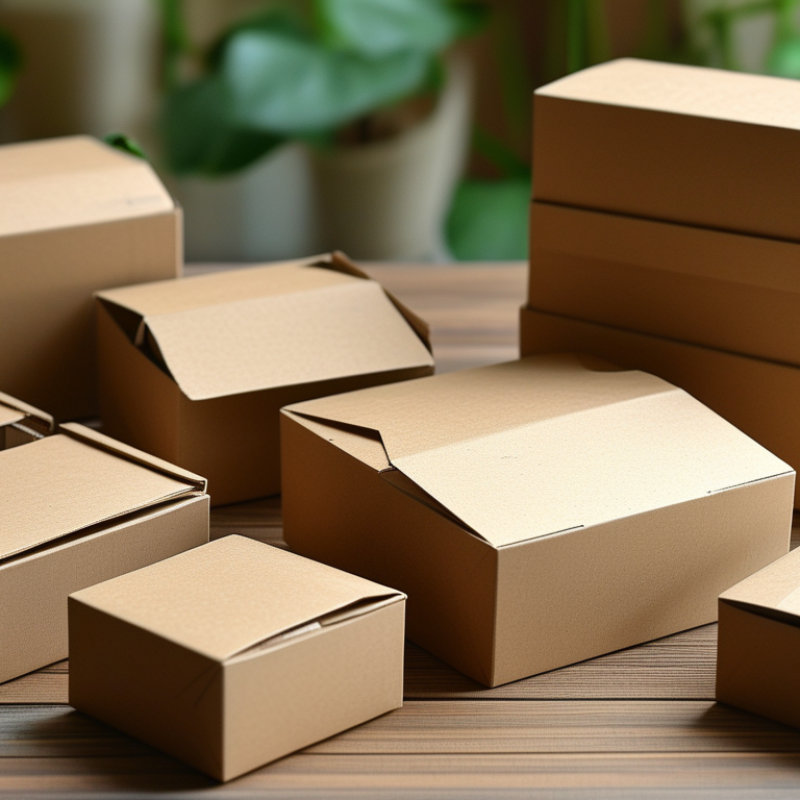
How to Make a Folding Paper Box for Packaging Needs?

Materials Needed for Creating a Folding Paper Box

Creating a folding paper box is a rewarding project. To start, you'll need some essential materials. The most crucial item is paper. Choose a sturdy paper, like cardstock, for durability. You'll also need a ruler for precise measurements. Scissors are vital for cutting along the lines. A craft knife can be helpful for detailed cuts.

Additionally, preparing your workspace is important. A cutting mat prevents damage to your surfaces. Don't forget adhesive. Glue or double-sided tape can secure the box's flaps effectively. Make sure you have a pencil for marking measurements.

It's easy to overlook small details. Ensure your cuts are straight for a more professional look. Misaligned folds can lead to a less appealing box. Test your design with scrap paper before committing to your final material. Reflect on your work; each attempt teaches valuable lessons.

Materials Needed for Creating a Folding Paper Box

Step-by-Step Guide to Measuring and Cutting Paper

Creating a folding paper box starts with accurate measurements. Properly measuring the paper ensures a snug fit for the items you plan to package. Typically, the dimensions of the box will depend on the product size. According to the Paper and Packaging Board, custom packaging can increase sales by 30% when it meets the product's needs. Use a ruler to measure length, width, and height before cutting.

Cutting the paper is a crucial next step. Use a sharp craft knife for clean edges. An uneven cut can lead to an awkwardly shaped box. According to the Packaging Technology and Science Journal, precision in packaging design significantly influences consumer perception of quality. Take time to revisit your measurements before you cut. If you're unsure, test with scrap paper. Each box should reflect care and attention to detail.

It's essential to reflect on your design process. Are your measurements accurate? Is your cutting technique consistent? Even slight errors can affect the final product. This practice not only supports your packaging needs but also can improve overall presentation. Creating packaging that is both functional and appealing takes time and practice.

Folding Techniques for Assembling the Paper Box

Folding paper boxes can be a rewarding experience. Understanding the folding techniques will enhance your packaging projects. These skills are essential for creating sturdy and visually appealing boxes from paper.

Begin with a square piece of paper. A precise fold is key. Create two diagonal folds that intersect at the center. This establishes guide lines for your box. Take your time to ensure each crease is sharp. A dull edge can lead to weak folds. Fold the corners towards the center. This forms the base of your box. Ensure the folds are even. Inconsistent edges can create an awkward shape.

Next, fold the sides upward. Hold the corners firmly as you make each fold. There can be a temptation to rush, but careful craftsmanship is crucial. If the box feels unstable, recheck your folds. Refining your technique is part of the process. Sometimes, trial and error leads to better results. Remember, perfection isn’t the goal; it's about learning through practice. Enjoy the creative process, and with each box, you’ll improve your skills.

Tips for Decorating and Customizing Your Box

Decorating a folding paper box can transform it from plain to stunning. Start with paint or markers. Simple designs, like stripes or polka dots, add charm. Using bright colors can catch the eye and create excitement. You might make a mistake with color choices. Don't worry; it adds character to the box. Try layering different colors for more depth.

Adding stickers or washi tape can enhance your design. Choose patterns that reflect the intended use of the box. For gifts, floral designs work well. For events, consider geometric shapes. Experimenting with various materials can provide unique textures. If something doesn't turn out as expected, think of it as a chance to innovate. Sometimes, imperfection leads to unexpected beauty.

Personalized touches make your box special. You can write a heartfelt message inside for the recipient. Embellishments, like ribbons or twine, add a finishing touch. They can make a simple box look elegant. Remember to reflect on what you like. Sometimes the best designs come from trial and error. Create freely and let your imagination guide you.

Proper Use and Applications of Your Folding Paper Box

Folding paper boxes are incredibly versatile for various packaging needs. They offer a reliable solution for small items such as jewelry, stationery, or gifts. The design can be modified for different sizes and shapes. The folding mechanism provides strength while maintaining a lightweight construction. Using high-quality paper ensures durability and an attractive finish, which enhances the overall presentation of your products.

Proper usage of folding paper boxes extends beyond aesthetics. They can be customized with colors and prints to align with brand themes. This personalization can boost marketing efforts. Moreover, these boxes can be folded flat when not in use, saving valuable storage space. An often-overlooked aspect is ensuring that the box fits the item snugly. A poorly sized box can lead to damage during transit. Testing various prototypes can help refine the design.

It's essential to assess the sustainability of your chosen paper. Consider using recycled materials to minimize environmental impact. While the initial cost may be higher, the long-term benefits can be significant. Reflecting on the design process allows for continuous improvement. Balancing creativity with functionality is key to effectively meeting packaging needs. Emphasizing both practicality and promotion helps create a compelling product offering.

FAQS

: What materials do I need to create a folding paper box?

: You need sturdy paper, a ruler, scissors, a craft knife, adhesive, and a pencil.

Why is it important to prepare my workspace?

A cutting mat protects surfaces. It helps maintain cleanliness and order while working.

How can I ensure my cuts are straight?

Use a ruler and take your time. Misaligned cuts affect the final look of the box.

What folding techniques are crucial for a sturdy box?

Create precise folds and sharp creases. Use diagonal folds to establish guidelines for your box.

What should I do if the box feels unstable?

Recheck your folds and adjust as needed. Careful craftsmanship is essential for stability.

How can I decorate my folding paper box?

Use paint, markers, or stickers. Bright colors and patterns can add charm and personality.

What if I make a mistake while decorating?

Mistakes can add character. Reflect on them as opportunities to innovate or change your design.

How can I personalize my box for gifts?

Write a heartfelt message inside. Adding ribbons or twine can make it look elegant and special.

Why is trial and error important in this process?

Sometimes mistakes lead to unexpected beauty. Each attempt helps improve your skills and creativity.

What can I do to reflect on my designs?

Assess what you like or dislike about each project. This helps guide your future creations.

Conclusion

Creating a Folding Paper Box is a practical skill that serves various packaging needs. To begin, you will need basic materials such as paper, a ruler, a pencil, and scissors. The process starts with accurately measuring and cutting the paper into the desired size, followed by various folding techniques that will help assemble the box securely.

Once the basic structure is complete, consider incorporating personal touches through decoration and customization to align with your intended use. A well-made Folding Paper Box can be applied in numerous scenarios, from gift packaging to organization solutions, making it a versatile addition to your crafting skills.


Liam

Liam

Liam is a dedicated marketing professional with a profound expertise in the industry, where he excels at highlighting the unique advantages of our core products. With a keen understanding of market trends and consumer needs, Liam frequently updates our company’s professional blog, providing......