In the realm of packaging, the "Folding Paper Box" stands out as a versatile solution. Industry expert and packaging designer Sarah Thompson once said, “The beauty of the Folding Paper Box lies in its simplicity and functionality.” This statement highlights the adaptability of such boxes for various products.
Creating a Folding Paper Box is not just about utility. It's also about the aesthetics and presentation that these boxes can bring to your products. When done correctly, they add a professional touch. However, many struggle with the folding techniques and design nuances involved. Reflecting on these challenges can lead to better outcomes and innovative designs.
Despite its benefits, many overlook the importance of precision in measurements. A poorly sized box can diminish its effectiveness. Proper techniques ensure that each box is both visually appealing and practical. Embracing imperfections in the process may lead to discovering unique designs that set your packaging apart.
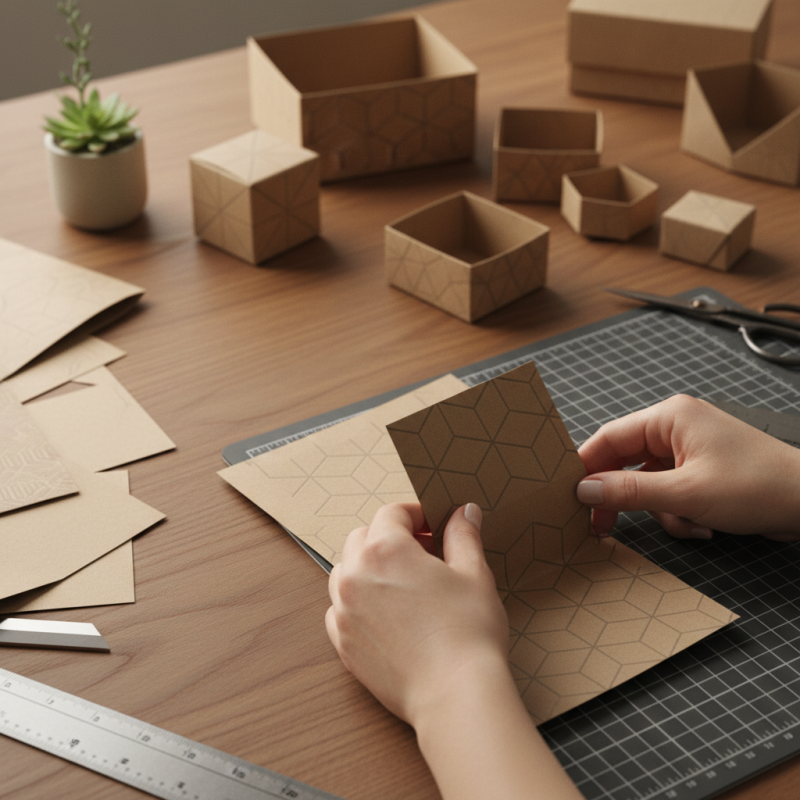
Creating a folding paper box can be a practical solution for various packaging needs. To start, you will need specific materials. First, you must acquire sturdy paper, such as cardstock or kraft paper, which is resilient yet flexible. Scissors and a ruler will help you achieve precise measurements. A bone folder or a scoring tool aids in creating clean folds. Finally, double-sided tape or glue is essential for securing the box when assembled.
It's important to consider the environmental impact of your materials. A report from Smithers Pira indicates that the global green packaging market is projected to grow by 4.5% annually until 2024. By selecting recyclable or biodegradable paper, you contribute to sustainability. Many consumers now prefer eco-friendly packaging options, so utilizing environmentally friendly paper can enhance your brand's reputation and appeal.
Tips for making your folding box more effective include measuring twice before cutting and practicing your folding technique. Take time to experiment with box designs; not every attempt will yield perfection. Each error can offer valuable learning opportunities, leading to improved skills over time. Remember, a well-made folding box not only protects its contents but also showcases your creativity.
| Material | Quantity | Description |
|---|---|---|
| Paper Board | 1 sheet | Sturdy material for the structure of the box. |
| Scissors | 1 pair | For cutting the paper board to size. |
| Ruler | 1 piece | To measure and mark where to fold and cut. |
| Pencil | 1 piece | For marking folding lines on the paper board. |
| Glue or Tape | As needed | To secure the folds of the box together. |
| Decorative Items | Optional | Stickers or markers to personalize the box. |
: Focus on the box's closure. Use tabs or interlocking flaps for stability.
Adding an adhesive strip significantly enhances the box's security during transport.
Kraft paper offers better strength compared to lightweight cardstock.
Thicker paper provides strength but can complicate folding. Testing is essential.
Use colorful markers, patterned paper, or natural materials like dried flowers for unique embellishments.
Slight flaws can add charm and reflect individual creativity in your design.
Arrange heavier items at the bottom to create a solid base for lighter items.
Use padding materials and place smaller items in gaps to reduce movement inside the box.
Always label boxes clearly to avoid confusion about their contents later.
Evaluate your packing methods after each use. Reflect on what worked and what needs adjustment.
Creating a Folding Paper Box is a simple yet effective solution for packaging various items. To begin, you'll need essential materials such as paper, scissors, and tape. The process involves clear, step-by-step instructions that guide you through folding the paper into a secure and functional box. Ensuring the box stays secure can be achieved with techniques like reinforcing corners and using decorative tape.
For added personalization, consider various creative ideas to decorate your Folding Paper Box, such as using markers, stickers, or even wrapping paper. Additionally, packing items efficiently within the box will maximize space and protect what's inside. This project not only promotes organization but also offers a fun way to recycle and explore your creativity.

 Momei Printing