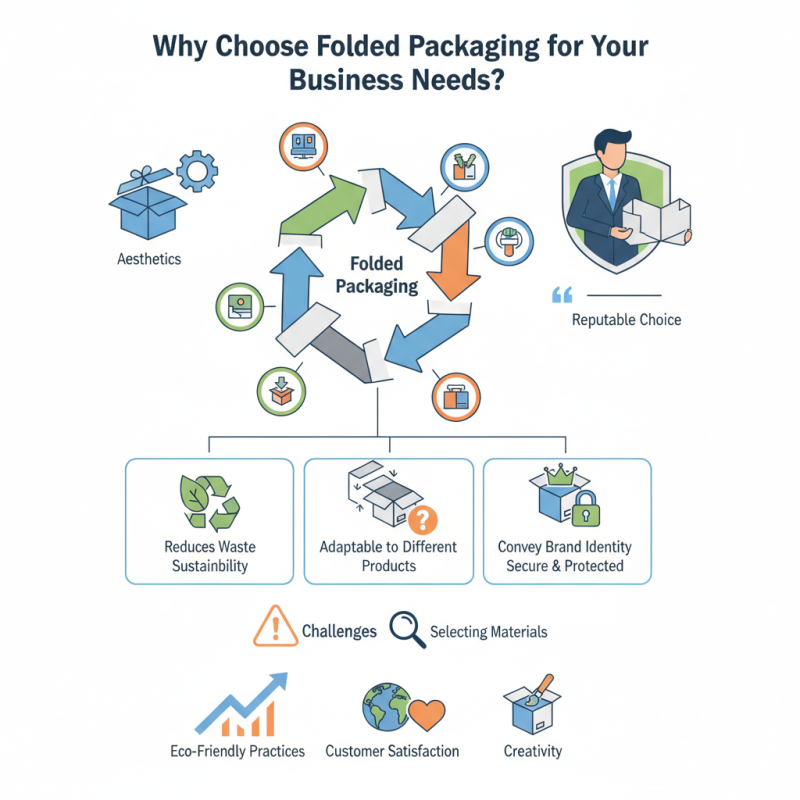
In today’s competitive market, businesses seek effective packaging solutions that balance aesthetics and functionality. "Folded Packaging" stands out as a reputable choice among industry experts. Michael Green, a leading figure in the packaging industry, emphasizes, “Folded Packaging effectively blends creativity with practicality.” This innovative packaging method offers unique benefits for businesses.
Folded packaging not only enhances product presentation but also improves usability. It reduces wasted material, an essential factor for sustainability. Many businesses appreciate how folded designs adapt easily to different products, resulting in versatile applications. Quality folded packaging can convey brand identity while ensuring that items are secure and protected during transit.
However, there are challenges. Not all folded packaging options meet the highest standards. Companies must remain vigilant when selecting materials. The right choice ultimately affects customer satisfaction and brand reputation. As the demand for eco-friendly practices rises, folded packaging continues to prove its reliability while pushing the boundaries of creativity.
Benefits of Folded Packaging in Cost-Effectiveness and Efficiency
Folded packaging stands out as a practical choice for various businesses, particularly due to its cost-effectiveness and efficiency. According to a recent report from Smithers Pira, folded cartons can reduce packaging costs by up to 30% compared to rigid alternatives. This significant saving allows companies to allocate resources more effectively, enhancing overall operations. The lightweight nature of folded packaging also leads to lower shipping costs, a crucial factor for maintaining competitiveness in today’s market.
Efficiency is another undeniable benefit. Folded packaging minimizes waste, which aligns with sustainable practices. In fact, a study by the Packaging Association revealed that companies adopting folded packaging saw a 20% reduction in material usage. This shift not only decreases costs but also boosts brand image among environmentally conscious consumers. However, businesses should assess whether the initial investment in high-quality materials is justified by potential savings.
Tip: Always evaluate your packaging needs before making a decision. Test different types and weights of materials to find the best fit.
Another tip: Keep an eye on technological advancements in packaging. Innovations can lead to further cost reductions and efficiency gains. Regularly consult industry reports to stay updated on best practices and emerging trends.
Why Choose Folded Packaging for Your Business Needs? - Benefits of Folded Packaging in Cost-Effectiveness and Efficiency
| Benefit |
Description |
Cost-Effectiveness |
Efficiency |
| Lightweight Design |
Folded packaging reduces weight, leading to lower shipping costs. |
High |
Moderate |
| Customizability |
Easily customizable shapes and sizes to fit products. |
Medium |
High |
| Eco-Friendly Options |
Made from recyclable materials, reducing environmental impact. |
High |
High |
| Space Efficiency |
Designed to be flat when unfilled, reducing storage space. |
Medium |
High |
| Protection |
Provides good protection against damage during transit. |
Low |
High |
Sustainability Advantages of Folded Packaging for Eco-Conscious Brands
Folded packaging is gaining popularity, especially among eco-conscious brands. The sustainability advantages are significant. According to a 2021 report by the Sustainable Packaging Coalition, over 70% of consumers prefer brands with eco-friendly packaging. This preference influences purchasing decisions. Brands can align their values with consumer expectations to foster loyalty.
One notable aspect of folded packaging is its material efficiency. These packages often use recyclable materials. They require less energy and fewer raw materials to produce than traditional packaging. In fact, studies show that using recycled paper can reduce greenhouse gas emissions by up to 50%. This supports brands aiming to lessen their environmental footprint.
Tip: Consider sourcing materials from certified sustainable suppliers to enhance your brand’s credibility. Transparency in sourcing helps connect with environmentally-minded consumers.
Despite these benefits, challenges remain. Some brands struggle with the transition due to cost concerns. A shift in perception is necessary. Transitioning to sustainable packaging should be viewed as an investment rather than an expense. Brands willing to take this leap can see long-term benefits in customer loyalty and reduced environmental impact.
Sustainability Advantages of Folded Packaging
Impact of Folded Packaging on Product Safety and Shelf Life
Folded packaging plays a crucial role in enhancing product safety. This type of packaging often utilizes materials that resist moisture and contaminants. By creating a tight seal, folded packaging minimizes the risk of product damage. This is especially important for perishable items. Safe packaging ensures that food products remain fresh until consumed.
Additionally, folded packaging extends the shelf life of various products. The structure can create a barrier against light, air, and bacteria. This protection helps maintain the integrity of the contents inside. Some companies have noticed that using folded packaging leads to fewer returns and complaints related to quality. However, businesses must choose suitable materials and designs carefully. Oversized packaging can create additional waste issues.
The design process usually requires careful consideration and potential revisions. A packaging strategy needs to reflect both safety and environmental impacts. Companies must balance aesthetics and functionality. Customers increasingly seek products with eco-friendly packaging. The right folded packaging can meet these demands while ensuring product safety.
Consumer Preferences for Folded Packaging in Retail Environments
Consumers today have a strong preference for
aesthetically pleasing and
functional packaging in retail settings.
Folded packaging captures attention with its unique shapes and striking designs.
This type attracts shoppers more than traditional boxes. Research shows that
well-designed packaging can influence purchasing decisions significantly.
When products are presented in folded packaging, they often appear more
premium and desirable.
Sustainability is another key factor in consumer preferences.
Many shoppers are increasingly aware of environmental issues. Folded packaging, often made
from recyclable materials, aligns with this
growing demand for eco-friendly solutions. This positive aspect can enhance
brand loyalty. However, not all
folded packaging options are equally sustainable. Choosing the right material remains
a challenge for many businesses.
While folded packaging offers multiple benefits, there are complexities to consider.
The effectiveness depends on how well it protects the product. Poorly designed folded
packages can lead to damage, causing
dissatisfaction. Finding the right balance between aesthetics and functionality is essential.
Brands must reflect on consumer feedback to continuously improve their packaging strategies.
This ongoing evaluation can drive long-term success in a competitive market.
Innovative Designs in Folded Packaging: Trends and Market Insights
Folded packaging has gained traction for its unique appeal and practical use. The trends in design reflect a shift towards sustainability and creativity. Companies now prioritize eco-friendly materials. This aligns with consumer preferences for responsible brands. Innovative forms, such as origami and minimalistic designs, grab attention and convey brand identity.
Tips: Consider the visual impact when choosing colors and patterns. Bold designs can attract consumers. However, maintaining a balance is essential. Overly complex designs may confuse or overwhelm potential customers.
Another trend is personalization. Many businesses opt for customized packaging that resonates with their audience. It fosters a connection between the brand and consumers. Yet, some companies overlook the importance of functionality. Packaging must be easy to open and practical, regardless of aesthetic choices.
Tips: Test packaging prototypes with focus groups. Gather feedback on both appearance and usability. This can lead to improvements and a more satisfactory customer experience.
FAQS
: Consumers prefer aesthetically pleasing and functional packaging, especially folded packaging with unique shapes.
Well-designed folded packaging can make products appear more premium and desirable, impacting buying choices.
Many consumers are aware of environmental issues and prefer eco-friendly packaging made from recyclable materials.
No, not all folded packaging is equally sustainable. It's essential to choose the right materials.
The packaging must protect the product effectively. Poor designs can lead to damage and customer dissatisfaction.
Brands should reflect on consumer feedback and continuously evaluate their packaging to enhance aesthetics and functionality.
Trends include eco-friendly materials and innovative forms like origami, focused on creativity and brand identity.
Customized packaging fosters a connection between the brand and its audience, enhancing consumer engagement.
Companies need to balance visual impact with usability. Overly complex designs can confuse customers.
Testing prototypes with focus groups can help refine both the appearance and usability of packaging.
Conclusion
Folded packaging has emerged as a pivotal choice for businesses seeking cost-effectiveness and efficiency. Its design not only minimizes materials and reduces shipping costs but also enhances product safety and shelf life, ensuring that items remain secure throughout their journey to consumers. The rising demand for eco-conscious solutions further emphasizes the sustainability advantages of folded packaging, making it an attractive option for brands committed to reducing their environmental footprint.
Moreover, consumer preferences in retail environments indicate a growing favor for folded packaging due to its innovative designs and practicality. Current trends showcase the evolution of folded packaging, with market insights revealing its adaptability to various product needs while appealing to modern aesthetics. As a result, folded packaging not only meets operational demands but also aligns with consumer values, driving its popularity in diverse industries.

 Momei Printing