In the world of logistics and moving services, the demand for "Empty Boxes For Packing" continues to rise. According to recent studies by the Packaging Association, the global packaging market is expected to reach $500 billion by 2026. This growth underscores the importance of efficient packing solutions in daily operations.
Using the right empty boxes can significantly affect cost efficiency and protection of goods. However, many consumers overlook the critical features of packing boxes, such as material strength and size adequacy. A survey from Logistics Magazine indicates that nearly 30% of shipping damages occur due to inadequate packing materials.
As businesses adapt to changing consumer preferences, the market for empty boxes must evolve as well. While many suppliers offer an array of options, understanding their specific uses can be challenging. Identifying the best empty boxes requires thoughtful consideration, and relying solely on low cost could lead to future regrets. By focusing on quality and suitability, one can navigate the complexities of packing solutions effectively.
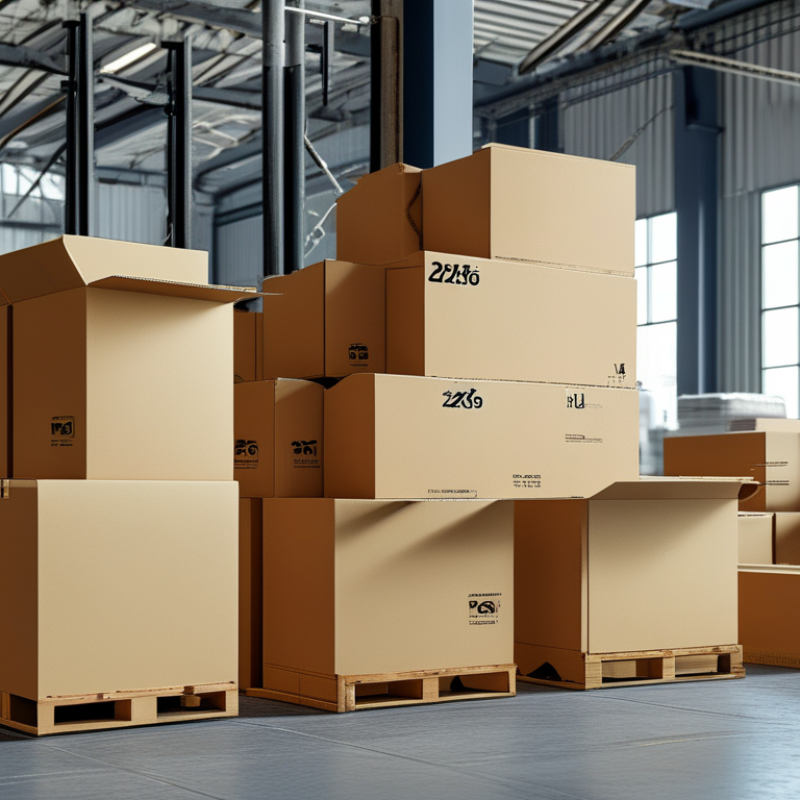
In 2026, the demand for empty packing boxes is projected to grow significantly. Companies are realizing the importance of packing materials that are not only sturdy but also eco-friendly. According to industry reports, over 70% of consumers prefer sustainable packaging options. This trend reflects a shift in consumer values towards sustainability and environmental impact.
When choosing materials for packing boxes, cardboard remains a top choice. It is lightweight and provides good protection. However, innovative materials like biodegradable plastics are gaining traction. These materials offer similar benefits while reducing landfill waste. Customer feedback suggests that the right packaging makes a difference in their purchasing decisions.
Tips: Choose materials based on your product’s needs. Consider weight, fragility, and size. A trial with different materials may reveal surprises in performance. Recycling initiatives are also important. Engage with local recyclers and educate customers on how to dispose of packaging responsibly. Small steps lead to significant impacts on the environment.
Innovative design features are transforming empty boxes for packing in 2026. Modern boxes are no longer just for storage. They incorporate functionality and aesthetics. Many designs now focus on sustainability. Eco-friendly materials are a priority. This shift not only reduces waste but also appeals to environmentally conscious consumers.
Several innovative features are emerging. Some boxes have compartments that allow for organized packing. This helps users manage items better. Others come with customizable designs. You can easily adjust sizes or even add personal touches. These advancements enhance both practicality and user experience.
Despite the progress, challenges remain. Finding the perfect balance between sturdiness and weight can be tricky. Additionally, some users may struggle with complex folding mechanisms. These issues highlight the need for continued innovation in this field. Each design must evolve to meet varying user needs and expectations.
As the world shifts towards sustainability, eco-friendly packing solutions are becoming essential. Many people seek packing materials that have a minimal environmental impact. Recyclable and biodegradable boxes offer practical choices for those committed to reducing waste. These boxes are made from materials like recycled paper or plant-based fibers. They decompose quickly, leaving no harmful residues behind.
Using sustainable packing options can be a challenge at times. Not everyone knows about the different types of eco-friendly alternatives available. This can lead to confusion when selecting the best product for specific needs. Prices may also vary, which can deter consumers from making greener choices. However, exploring local resources can help find affordable solutions that do not compromise on quality.
In addition, understanding the sourcing of materials is crucial. Some boxes labeled as eco-friendly might not be as green as expected. It is essential to verify certifications and claims. Transparency in the production process can assure customers they are making responsible choices. By remaining informed, consumers can confidently adopt sustainable packaging without sacrificing aesthetics or functionality.
When considering packing solutions, the size and shape of empty boxes play a critical role. The industry has observed that roughly 70% of consumers prefer using boxes that fit their items perfectly. This practice minimizes movement and reduces damage during transit. A report from the Packaging Association notes that diverse shapes can optimize space in shipping containers, leading to cost savings for businesses.
For small items, cube boxes are often the best choice. They secure contents effectively, preventing shifting. Larger, flat boxes are ideal for bulkier items, providing ample space without wasting material. However, using oversized boxes can lead to inefficiencies and increased shipping costs.
Tips for choosing empty packing boxes: always measure your items before selecting a box. Consider boxes made from recycled materials as they offer sustainable options. Investigate different shapes — some may surprise you with their versatility. Using the right box not only protects your items but also enhances your overall packing experience. Remember, proper research can lead to smarter packing solutions.
The empty box market is thriving in 2026. Many brands focus on sustainability and practicality. They design boxes that cater to various packing needs. Different shapes and sizes are available. This versatility helps businesses and individuals streamline their packing processes effectively.
Sustainable materials have become essential for top brands. Consumers look for eco-friendly options that reduce waste. The challenge lies in balancing durability with environmental impact. Some boxes don’t hold up as well as expected. Users may find tears or bends after minimal use. Therefore, it’s crucial to choose wisely.
Innovation is driving the market forward. Brands experiment with new technologies and designs. Smart features like easy assembly and collapsibility are gaining popularity. However, not all innovations meet user expectations. Some features may complicate the packing experience. A deeper understanding of customer needs remains necessary for true success in this competitive landscape.
: Eco-friendly packing solutions are materials that minimize environmental impact, like recyclable and biodegradable boxes.
Biodegradable boxes decompose quickly, leaving no harmful residues, thus reducing waste in landfills.
Exploring local resources can uncover budget-friendly sustainable choices without sacrificing quality.
Not all boxes labeled eco-friendly are actually green. Verify certifications and claims for transparency.
Choose box sizes that fit your items perfectly to minimize movement and prevent damage during transit.
Proper sizing can reduce shipping costs and enhance protection during transit, avoiding damage to contents.
Oversized boxes can lead to inefficiencies and increased shipping costs, so it’s better to select the right size.
Always measure your items before selecting a box to ensure the best fit and protection.
Boxes made from recycled materials help reduce waste and promote a circular economy in packaging.
Conducting proper research can lead to smarter packing choices, saving costs and positively impacting the environment.
In 2026, the market for empty boxes for packing is evolving with a focus on innovative materials and designs that cater to various packing needs. The article highlights the best materials used for constructing empty packing boxes, emphasizing durability and cost-effectiveness. Additionally, innovative design features are set to enhance functionality, making these boxes more user-friendly and versatile in various applications.
Sustainability is also a key theme, as eco-friendly packing solutions gain popularity, offering consumers responsible choices that reduce environmental impact. The range of size and shape variations available ensures that empty boxes for packing can meet diverse demands, accommodating everything from small delicate items to larger goods. Overall, the market is witnessing dynamic growth driven by consumer preferences for quality, sustainability, and innovation.

Momei Printing