Choosing the right Paper Card Box in 2026 will involve more than attractive printing. Buyers now examine protection, recyclability, opening comfort, and production efficiency.
Ben Markens, president of the Paperboard Packaging Council, offers a practical principle: “The best package balances protection, presentation, and production reality.” This idea remains useful when comparing folding cartons, rigid card boxes, drawer boxes, and magnetic-closure styles. Each type creates a different experience. A folding carton may suit lightweight cosmetics and retail products. A rigid box can protect premium cards during shipping. A drawer box adds ceremony, but it may require more material and assembly time.
The best choice depends on the product.
This guide will examine the leading Paper Card Box types expected to perform well in 2026. It will compare board thickness, surface finishes, structural strength, storage efficiency, and customization options. Small details matter. A tight tuck flap can prevent accidental opening. A soft-touch coating can improve grip, yet it may show fingerprints under bright store lighting. Recycled paperboard can support sustainability goals, but its texture may affect fine images and color consistency.
There is no perfect box.
Some packaging decisions still involve compromise. A visually impressive structure may increase shipping weight. A low-cost design may feel less memorable. Therefore, this overview focuses on practical performance, not trends alone. It considers real handling, shelf presentation, and responsible material choices. The final recommendation should reflect the product, customer expectations, budget, and manufacturing capabilities.
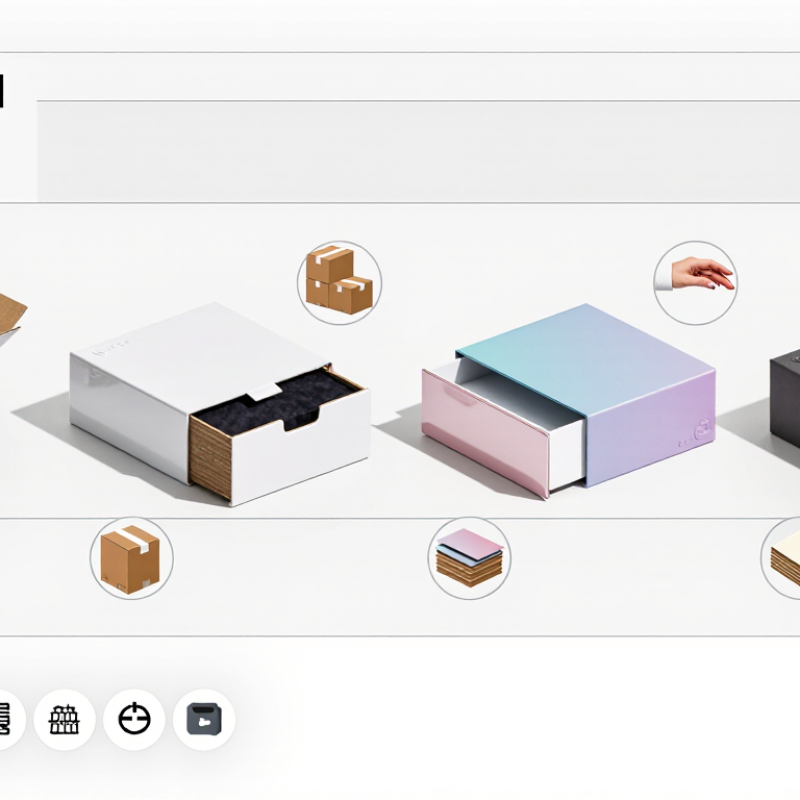
A high-quality paper card box begins with dependable structure. It should protect cards from bending, dust, and light moisture during normal handling. In practical packaging tests, strong folding lines matter as much as thick paper. A box that looks attractive but collapses at the corners is not truly reliable. The best materials often combine durable paperboard, accurate cutting, and clean surface finishing. Interior space should feel secure, not cramped. Cards should slide out smoothly without scraping their edges.
Sustainable design also defines better boxes in 2026. Paper should feel firm without unnecessary weight. Responsible coatings can improve resistance, but excessive finishing may complicate recycling. This balance is easy to overlook. Clear printing, low-odor inks, and consistent color support a more professional experience. From a quality-control perspective, each box should survive repeated opening and closing. Still, no packaging test reflects every real-world situation. A box may perform well in a dry studio but weaken in a humid room. That limitation deserves attention. A thoughtful paper card box protects its contents, communicates care, and remains practical after the first impressive impression.
The best paper card box depends on card thickness, opening frequency, shipping distance, and display needs. A tuck-end box uses folded flaps and side panels, making it lightweight and economical. Its locking tabs should fit firmly without tearing the paperboard. Small dust flaps can also reduce movement during transport.
A two-piece rigid box provides stronger protection through a separate lid and base. It suits premium card sets, especially when cards need a stable, polished presentation. A drawer-style box slides along an inner tray, creating smooth access and better alignment. However, loose tolerances can make the tray wobble. Tight tolerances can make it frustrating to open.
Mailer-style boxes add protective wings and reinforced corners for parcel delivery. Their folding structure reduces the need for extra packing materials. Window boxes improve product visibility, but the cutout weakens the front panel. A clear panel may also scratch during handling. That detail is easy to miss.
In practical packaging checks, I test box fit, corner compression, repeated opening, and humidity exposure. Card stacks often expand slightly in damp conditions. A perfect sample can fail after several days. Prototypes should use the final paperboard thickness and coating, not a cheaper substitute. There is no universal best type. Structural performance must match real handling conditions.
In 2026, the best paper card box depends less on appearance than on product behavior. A rigid setup box suits premium cards, gift sets, and items handled repeatedly. It resists crushing and opens with a deliberate lift. A folding carton works better for lightweight decks, retail hooks, and larger production runs. It ships flat, saves warehouse space, and usually reduces assembly labor. Smithers’ The Future of Paper-Based Packaging to 2028 forecasts the paper packaging market will exceed US$500 billion by 2028. That figure signals strong fiber investment, not an automatic reason to choose paper.
For small card products, a tuck-end carton protects edges without excessive material. Add a paperboard insert when cards shift during transport. A mailer box needs reinforced corners and reliable closure. Magnetic closures feel refined, but they add components and may complicate recycling. Two Sides’ 2023 Trend Tracker found that 59% of consumers view paper and cardboard as more sustainable than other packaging materials. Perception matters.
Fit matters. A recyclable format can still waste space. A rigid box may also create unnecessary weight for a lightweight deck. I would test compression, humidity, drop resistance, and opening effort before approving a final structure. PMMI’s packaging research continues to identify right-sizing and damage reduction as important e-commerce priorities. Real shipments remain unpredictable. That is where many attractive prototypes fail.
| Paper Card Box Type | Primary Packaging Purpose | Typical Product Fit | Common Board Structure | Typical Board Weight | Protection Level | Key Structural Features | Sustainability Profile | Best Choice When |
|---|---|---|---|---|---|---|---|---|
| Straight-Tuck-End Box | Efficient retail presentation and quick product access. | Small cards, stationery, gift cards, lightweight accessories, and compact games. | Folding carton made from solid bleached board or recycled folding-box board. | 250–400 g/m² | ★★★☆☆ Moderate | Top and bottom tuck flaps; simple dust protection; easy automated filling. | Widely recyclableLow material use | Low to medium product weight and high-volume retail packing are priorities. |
| Reverse-Tuck-End Box | Cost-conscious secondary packaging with a clean front panel. | Trading-card packs, small paper goods, craft items, and promotional card sets. | Folding carton with opposite-direction top and bottom tuck flaps. | 250–400 g/m² | ★★★☆☆ Moderate | Flaps fold in opposite directions; economical die-cut layout; broad printable area. | Widely recyclableEfficient nesting | Manufacturing cost and straightforward shelf display matter more than premium opening. |
| Auto-Lock Bottom Box | Faster packing for products that need a stronger base. | Card decks, heavier stationery sets, multi-pack card products, and boxed accessories. | Folding carton using a pre-glued crash-lock or auto-bottom construction. | 300–500 g/m² | ★★★★☆ High | Self-locking bottom distributes load; usually supplied flat and assembled without separate tape. | Recyclable paperboardReduced assembly materials | Bottom strength and quick manual or automated assembly are required. |
| Two-Piece Lid-and-Base Box | Premium presentation, organized storage, and repeated use. | Collector card sets, premium invitations, keepsake decks, and gift card assortments. | Rigid setup board wrapped with printed paper, or heavyweight laminated paperboard. | 800–1,500 g/m² equivalent construction | ★★★★★ Very high | Separate lid and base; rigid walls; optional inserts, ribbons, or internal compartments. | Potentially recyclableHigher material use | Unboxing experience, long-term storage, and premium perceived value justify added material. |
| Drawer-Style Slide Box | Premium access and reusable product organization. | Art cards, collectible card editions, small card kits, and presentation sets. | Rigid or semi-rigid paperboard sleeve with a sliding inner tray. | 600–1,200 g/m² equivalent construction | ★★★★☆ High | Protective sleeve; pull tab or ribbon option; tray can include dividers or die-cut holders. | ReusablePaper-based | Controlled presentation and repeat opening are more important than the lowest unit cost. |
| Magnetic-Closure Book Box | Luxury gifting and high-end collector presentation. | Limited-edition card collections, commemorative sets, and premium gift packages. | Rigid board wrapped in printed paper with concealed or external magnetic closure. | 1,000–1,800 g/m² equivalent construction | ★★★★★ Very high | Hinged cover; magnetic flap; optional foam-free paper inserts and multiple compartments. | ReusableMaterial separation needed | Luxury appearance and secure closure are key selling points. |
| Window Display Box | Product visibility at the point of sale. | Illustrated card packs, greeting-card assortments, educational cards, and gift sets. | Folding carton with a die-cut opening and cellulose-based or plastic viewing film. | 300–500 g/m² | ★★★☆☆ Moderate | Front or top viewing window; protective inner tray may prevent movement and scuffing. | Paperboard recyclableWindow material affects sorting | Customers need to see the product before purchase and the contents benefit from visual merchandising. |
| Sleeve-and-Tray Box | Modular protection with strong branding and presentation surfaces. | Card decks, bundled card packs, board-game components, and subscription card sets. | Printed paperboard sleeve combined with a folding or rigid inner tray. | 350–700 g/m² equivalent construction | ★★★★☆ High | Outer sleeve holds the tray in place; tray may use compartments, locking tabs, or paper dividers. | Paper-basedReusable components | Product separation, attractive graphics, and a structured unboxing sequence are needed. |
| Hinged Flip-Top Box | Frequent opening, convenient access, and organized storage. | Flash cards, educational card sets, reference cards, and reusable game decks. | Folding carton or rigid paperboard with an attached hinged lid. | 400–900 g/m² equivalent construction | ★★★★☆ High | Attached lid reduces loose parts; can include locking tabs, thumb notches, or internal partitions. | ReusablePaper-based option | The package is expected to remain useful after opening and protect contents between uses. |
| Mailer Card Box | Direct-to-consumer shipping and e-commerce fulfillment. | Card orders, subscription packages, card bundles, and small paper products shipped by parcel. | Corrugated fiberboard mailer, commonly using E-flute or B-flute profiles. | Approximately 1.0–3.0 mm board thickness | ★★★★☆ High | Roll-end or self-locking construction; tamper-evident tear strip and paper cushioning can be added. | Widely recyclableFiber-based cushioning compatible | Protection during parcel handling is more important than a compact retail-carton footprint. |
| Windowed Cardboard Tube | Compact display, storage, and protection for rolled or narrow card products. | Poster cards, rolled art prints, card samples, and narrow-format educational materials. | Spiral-wound paperboard tube with paper end caps and optional viewing opening. | 1.0–3.0 mm wall thickness | ★★★★☆ High | Cylindrical structure resists crushing; end closures can be friction-fit or glued. | Paper-basedGood material efficiency | The product format is cylindrical or rolled and needs crush resistance during handling. |
Data note: Board weights and thicknesses are typical industry ranges rather than fixed specifications. Actual performance depends on paperboard grade, flute profile, box dimensions, moisture exposure, closure design, inserts, printing, coatings, and distribution conditions. Recyclability also depends on local collection and sorting infrastructure, especially when windows, magnets, laminates, or mixed materials are used.
Materials, Printing Methods, and Protective Finishes Explained
In 2026, the strongest paper card boxes balance stiffness, print clarity, recyclability, and shipping efficiency. Folding cartons suit retail products, while rigid setup boxes add structure for premium unboxing. Corrugated mailers protect better during drops, especially with a fitted insert. Choose recycled-content board when its fibers remain strong enough for the product. Paper is not automatically sustainable. CEPI’s 2023 monitoring report recorded an 82.5% paper recycling rate in Europe, but local collection still varies. FEFCO industry data also shows European corrugated production exceeding 50 billion square metres annually.
Printing changes both appearance and cost. Offset printing delivers sharp images on coated board, while flexography supports efficient runs and simpler graphics. Digital printing suits short runs and variable designs, although heavy ink coverage can raise costs. Use water-based inks where suitable, then test rub resistance on actual packed units. Aqueous dispersion coatings preserve a paper feel. UV varnish adds gloss and stronger scuff resistance. Lamination improves barrier performance, but it can complicate fiber recovery. Smithers’ paper-packaging outlook identifies lightweighting and recyclable structures as continuing market priorities.
Tips: Request a finished sample, not only a digital proof. Rub the printed panel with a dry cloth, chill the packed box, and drop-test it. Check glue seams after humidity exposure. I still see teams choosing a beautiful finish before testing shelf abrasion. That decision often needs revisiting.
The best paper card box depends on the product, not a trend. For lightweight greeting cards, a folding carton can reduce material use and shipping volume. A rigid box offers stronger protection for collectible cards or premium sets. In packaging trials, I check the card stack first. Measure its length, width, and height after adding sleeves. A tight fit looks efficient, but it can damage corners.
Material thickness matters. Standard paperboard suits short-term retail packaging, while thicker board supports repeated handling. If the box will face humidity, request a tested coating and inspect its surface after storage. Avoid choosing finishes by appearance alone. A glossy sample may hide weak creases or difficult opening. Test it by hand.
Opening behavior also reflects real user needs. A tuck-end box works well for quick access. A drawer-style box feels more refined, but it usually costs more and needs extra space. For frequent use, add an internal insert or divider. It prevents cards from sliding during transport. However, inserts can make recycling less straightforward. That trade-off deserves attention.
Make a small prototype before ordering. My early samples sometimes looked perfect but failed after repeated opening. Strength, fit, print quality, and cost must be reviewed together.
There is no universal best box.
A drawer-style box offers smooth access and keeps cards aligned. Loose trays may wobble. Tight trays can feel annoying.
A two-piece rigid box gives cards a stable base and a polished appearance. It suits premium sets and careful display.
Choose it for lightweight, economical packaging and regular retail handling. Firm locking tabs matter. Weak tabs may tear.
Yes. Protective wings and reinforced corners help during parcel delivery. A fitted insert can reduce movement after drops.
They improve visibility through a front cutout. However, the opening weakens the panel, and clear surfaces can scratch easily.
Recycled-content board can reduce material impact when its fibers remain strong. Paper is not automatically sustainable.
Digital printing suits short runs and changing designs. Heavy ink coverage may increase cost and rub more easily.
Request a finished sample. Rub it with a dry cloth, chill the packed box, and inspect scuffing.
Test the final board thickness, corner compression, repeated opening, and humidity exposure. A perfect sample can still fail later.
No. Glossy finishes may look impressive, but shelf abrasion and dampness can expose weaknesses. I have seen this choice need revisiting.
In 2026, a high-quality Paper Card Box is defined by a balance of strength, appearance, sustainability, and practical performance. Its structure should protect cards from bending, moisture, dust, and handling damage while remaining easy to open, close, store, and transport. Common types include tuck-end boxes, rigid setup boxes, drawer-style boxes, folding cartons, and partitioned designs. Each structure serves different needs, from compact retail packaging to premium presentation and organized storage.
The best Paper Card Box also depends on the product and packaging purpose. Lightweight coated paperboard may suit economical, high-volume packaging, while thicker board offers greater rigidity and protection. Offset, digital, and specialty printing methods can create different visual effects, and finishes such as matte coating, gloss coating, embossing, or protective lamination can improve durability and presentation. Choosing the right box requires considering card size, quantity, stacking conditions, shipping requirements, budget, branding goals, and environmental priorities. A well-matched design delivers reliable protection while creating a clear, attractive, and user-friendly packaging experience.

Momei Printing