China Top Personalised Packaging Paper Manufacturers

Time:2026-09-18 Author:Madeline
0%

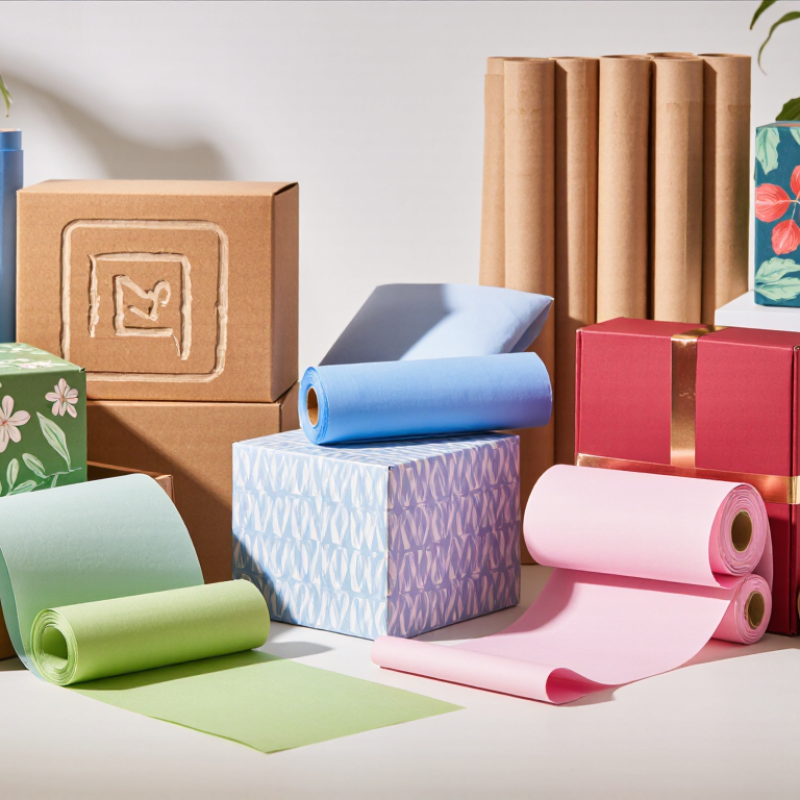
Personalised Packaging Paper is reshaping how brands communicate on shelves, during delivery, and through social media. Printed names, seasonal artwork, tactile coatings, and carefully matched colours can turn an ordinary carton into a memorable brand moment. Yet personalisation must serve a purpose. Decoration alone does not guarantee stronger customer loyalty.

Industry evidence supports this shift. Smithers’ packaging market research identifies e-commerce, premium presentation, and sustainability as important growth drivers for paper-based formats. Two Sides’ 2023 Global Attitudes to Paper and Packaging survey reported that 81% of consumers consider paper and cardboard packaging better for the environment than plastic. However, consumer preference is not proof of sustainability. Fibre sourcing, recycled content, inks, coatings, transport distance, and recyclability still require verification.

As packaging analyst David Luttenberger has said, “Packaging is no longer just a container; it is a communication tool.” That observation is especially relevant to Chinese manufacturers serving international brands. Leading suppliers should demonstrate more than attractive samples. They need consistent colour control, reliable converting capacity, responsive prototyping, and documented quality systems. FSC certification, ISO 9001 processes, and applicable food-contact testing can strengthen buyer confidence, where relevant.

This guide examines China’s top Personalised Packaging Paper manufacturers through practical criteria. These include material selection, printing precision, minimum order quantities, custom structural design, lead times, export experience, and after-sales support. Factory scale matters. So does communication. A beautiful prototype can still fail during mass production, and that risk deserves honest attention.
China Top Personalised Packaging Paper Manufacturers

What Personalised Packaging Paper Is and How It Is Used

Personalised packaging paper is paper-based packaging printed for a specific customer, event, product batch, or sales channel. It may carry a changing name, image, message, QR code, or limited-edition pattern. Digital printing makes these variations practical without producing large quantities of plates. A box can therefore change from one shipment to the next.

The application is broad. Retailers use personalised paper bags, folding cartons, sleeves, tissue paper, and mailing boxes. Food businesses often add printed wraps or inserts with preparation details. Online sellers may include a customer’s name inside a recyclable mailer. Smithers’ The Future of Packaging: Global Forecasts to 2028 projects the global packaging market will reach about US$1.17 trillion by 2028. This scale suggests strong room for targeted packaging, but not every personalised design creates value.

Material selection needs careful testing. Paper weight, folding strength, ink adhesion, moisture resistance, and recycling compatibility affect performance. The 2023 Global Waste Management Outlook reports that municipal solid waste could reach 3.8 billion tonnes annually by 2050 without major intervention. That warning matters. Extra paper, coatings, or oversized boxes can weaken the environmental case. In practical production, a simple kraft sleeve may outperform a heavily laminated box. Sometimes less feels more convincing. Forecasts also differ, and real results depend on print volume, logistics, and local recycling systems.

China Top Personalised Packaging Paper Manufacturers: Typical Paper Weights by Use

Personalised packaging paper is printed or finished paper designed for branded bags, cartons, labels, wrapping, and other product-packaging applications. The chart compares typical commercial basis-weight ranges, measured in grams per square metre (gsm). Higher-gsm paper generally provides greater stiffness and durability, while lower-gsm paper is more flexible and economical for lightweight packaging.

China’s Personalised Packaging Paper Manufacturing Industry

China’s personalised packaging paper manufacturing industry is moving beyond simple logo printing. Manufacturers now combine paper selection, structural design, surface finishing, and variable data production. A small bakery may request 500 sleeves with different seasonal messages. A larger retailer may need millions of consistent cartons. These orders require different production logic. Good factories begin with fiber composition, paper weight, moisture resistance, and folding behavior. Details matter. A beautiful sample can still fail on a fast packing line.

Experienced production teams usually test color under controlled lighting and inspect creases, glue areas, and cut edges. Digital printing supports shorter runs and changing artwork, while offset printing remains practical for stable, high-volume orders. Embossing, foil effects, water-based coatings, and textured papers can increase shelf appeal. Yet every added process raises cost, timing, or recyclability questions. Reliable manufacturers provide pre-production proofs, material records, and batch inspections. They should also explain tolerances instead of promising perfect uniformity. Paper reacts to humidity. It can warp, crack, or shift slightly.

The strongest manufacturers work as technical partners, not only order takers. They help buyers match packaging performance with transport distance, filling equipment, and retail conditions. Documentation, traceable sampling, and clear corrective procedures build trust across international projects. Some suppliers still overemphasize appearance and understate waste from setup sheets. That weakness deserves attention. Buyers can improve results by requesting pilot batches, realistic lead times, and independent quality checks. Personalisation succeeds when creativity remains connected to measurable performance.

Key Types of Custom Packaging Paper Products

China Top Personalised Packaging Paper Manufacturers

Custom packaging paper now covers more than printed cartons. Buyers request folding boxes, corrugated mailers, kraft bags, wrapping sheets, tissue paper, labels, and product inserts. Each format serves a different moment. A rigid-feeling folding carton protects a glass jar, while a lightweight mailer reduces empty space during delivery.

Smithers’ packaging market analysis projects continued growth in paper-based packaging through 2028, driven by e-commerce and plastic reduction policies. The 2023 Two Sides Trend Tracker reported that 62% of surveyed consumers viewed paper and cardboard as sustainable packaging materials. These figures support demand, but they do not excuse weak design. A poorly sized box still wastes material.

Personalisation can include logo printing, seasonal artwork, variable names, QR codes, embossing, matte coating, or unusual die-cut shapes. For high-volume orders, flexographic printing often improves cost control. Digital printing suits short runs and changing artwork. I have found that paper weight alone does not guarantee protection. Grain direction, moisture resistance, compression strength, and adhesive performance matter more during real handling.

Small details matter.

Manufacturers should test packages after printing, folding, stacking, and transport. ISO 18601 packaging standards provide a useful framework for environmental optimisation, yet practical testing remains essential. One limitation deserves attention: sustainability claims often focus on recyclable paper while ignoring inks, coatings, transport distance, and production waste. A reliable supplier should disclose material specifications, test methods, tolerances, and realistic production limits before accepting a custom order.

Criteria for Evaluating China’s Top Manufacturers

China Top Personalised Packaging Paper Manufacturers

When evaluating China’s top personalised packaging paper manufacturers, begin with production evidence, not attractive samples. Ask for factory photographs, equipment lists, and recent quality records. An experienced supplier should explain paper grades, coating choices, printing limits, and moisture resistance clearly. Vague answers deserve caution.

Request physical prototypes before approving large orders. Check color consistency, folding accuracy, glue strength, edge cleanliness, and odor. Test the package under stacking, handling, and ordinary humidity. A beautiful sample can hide weak production control. I have seen small differences between samples and mass orders. That gap requires written specifications and signed approval records.

Reliable manufacturers also disclose production capacity, inspection procedures, delivery schedules, and material sources. Verify relevant certificates independently when possible. Environmental claims need evidence, such as recycled content records or responsible forestry documentation. Communication matters too. Does the technical team respond with measurements and solutions? Or only promises? One weakness should not be ignored: even a capable factory may struggle during peak seasons. Compare lead times, backup equipment, and corrective-action practices before making a decision.

How to Select a Reliable Personalised Packaging Paper Supplier

China Top Personalised Packaging Paper Manufacturers

How to Select a Reliable Personalised Packaging Paper Supplier

Selecting a reliable personalised packaging paper supplier requires more than comparing prices. Request a physical sample with your actual artwork, paper weight, coating, and folding method. Check whether the supplier can control colour differences between batches. A beautiful sample proves little.

Smithers’ report, The Future of Digital Print for Packaging to 2029, forecasts strong growth in digital packaging print, driven by shorter runs and variable designs. This supports personalised production, but capacity claims still need testing. Ask for documented press specifications, minimum order quantities, average lead times, and a replacement policy for defective sheets. Keep the questions practical.

Evidence matters. Request paper-fibre origin records, recycled-content declarations, and relevant food-contact or safety documentation when required. ISO 9001 certification can indicate controlled processes, though it does not guarantee perfect packaging. CEPI’s industry monitoring has reported European paper recycling rates near 80%, but recycling results vary by coating, ink, and local systems. A supplier should explain these limits clearly. Not every “eco” claim is precise.

Inspect pre-production proofs under consistent lighting. Test moisture resistance, crease performance, print adhesion, and colour stability. Suppliers with transparent testing are usually easier to manage. Still, mistakes happen. A missed delivery or weak batch can disrupt an entire campaign. Start with a small pilot order, record every specification, and review the supplier after delivery. Reliability is demonstrated repeatedly, not promised once.

FAQS

What is personalised packaging paper?

It is paper packaging printed for a specific customer, event, product batch, or sales channel. It may include names, images, messages, QR codes, or seasonal patterns. A box can change between shipments.

Which products can use personalised packaging paper?

Common options include folding cartons, paper bags, sleeves, tissue paper, wrapping sheets, labels, and mailing boxes. A lightweight mailer may reduce empty space during delivery. A folding carton can protect a glass jar.

How does digital printing support personalised packaging?

Digital printing allows changing artwork without creating large quantities of printing plates. It suits short runs, customer names, and seasonal messages. Small batches become practical. It may cost more per piece at high volumes.

How should buyers choose suitable paper materials?

Buyers should check paper weight, folding strength, grain direction, moisture resistance, and adhesive performance. Ink adhesion also matters. Heavy paper is not always stronger in real handling.

Which printing method suits large orders?

Stable, high-volume orders often suit flexographic or offset printing. Short runs with changing designs usually suit digital printing. The better choice depends on volume, artwork changes, and setup costs.

What quality tests should a manufacturer provide?

The manufacturer should test color, creases, glue areas, cut edges, folding, stacking, and transport performance. Request pre-production proofs and pilot batches. A beautiful sample can still fail on a packing line.

Can personalised packaging be environmentally responsible?

It can, but the design must control material use, coatings, inks, transport distance, and production waste. A simple kraft sleeve may outperform a laminated box. Recycling also depends on local systems.

What should buyers ask before placing an international order?

Ask for material specifications, test methods, tolerances, batch records, lead times, and corrective procedures. Independent quality checks can reveal hidden problems. Perfect uniformity is unrealistic because paper reacts to humidity.

Conclusion

Personalised Packaging Paper is specially designed paper customized with unique colors, patterns, logos, textures, sizes, and finishes to support product presentation and brand communication. It is widely used for wrapping, gift packaging, shopping bags, folding cartons, labels, inserts, and protective layers. China has developed a broad manufacturing industry for these products, supported by diverse raw materials, advanced printing capabilities, flexible production capacity, and efficient supply chains. Manufacturers can provide solutions for retail, food packaging, cosmetics, stationery, gifts, and other everyday applications.

Common product types include printed wrapping paper, kraft paper, coated paper, tissue paper, specialty papers, paper bags, and custom-printed packaging sheets. When evaluating China’s top manufacturers, buyers should consider paper quality, printing accuracy, color consistency, customization options, production capacity, quality control, environmental practices, certifications, lead times, and communication efficiency. A reliable Personalised Packaging Paper supplier should clearly confirm material specifications, sample approval procedures, minimum order quantities, pricing, packaging methods, delivery schedules, and after-sales support. Careful comparison helps buyers select a stable partner that delivers attractive, functional, and consistent packaging for long-term needs.

Madeline

Madeline

Madeline is a dedicated marketing professional with a wealth of expertise in our company's core offerings. With a keen understanding of the industry, she brings a unique perspective to her role, consistently delivering high-quality content that highlights the superior aspects of our products. As......