Why Choose Folding Carton Boxes for Your Products?
Choosing the right package can influence protection, shelf appeal, logistics, and customer trust. Folding Carton Boxes offer a practical balance between these demands. They use paperboard structures that can be printed, creased, folded, and sealed efficiently. A carton can protect a tea sachet, cosmetic bottle, snack bar, or small electronic accessory during ordinary handling. Its flat delivery format also saves valuable warehouse space before production.
Ben Markens, president of the Paperboard Packaging Council, has said, “Packaging is a silent salesperson.” That observation matters on a crowded retail shelf. A clean carton can present product information clearly, reinforce brand colors, and guide customers toward confident choices. Matte finishes feel understated. Glossy panels catch light. Die-cut windows reveal what is inside.
Folding Carton Boxes can also support more efficient material use when their dimensions match the product. Smaller cartons may reduce empty space, shipping volume, and unnecessary protective material. However, the answer is not always simple. Weak board, poor sizing, or excessive finishing can create avoidable waste and customer frustration. Packaging teams should test compression, moisture exposure, stacking, and opening behavior before approving a final design.
Real experience often exposes what a digital mockup misses. A carton may look elegant but tear near the tuck flap. It may print beautifully yet become difficult to recycle because of unsuitable coatings. Careful specifications, supplier verification, and practical trials make the decision more reliable. When performance and presentation align, Folding Carton Boxes become more than containers. They become a measurable part of the product experience.
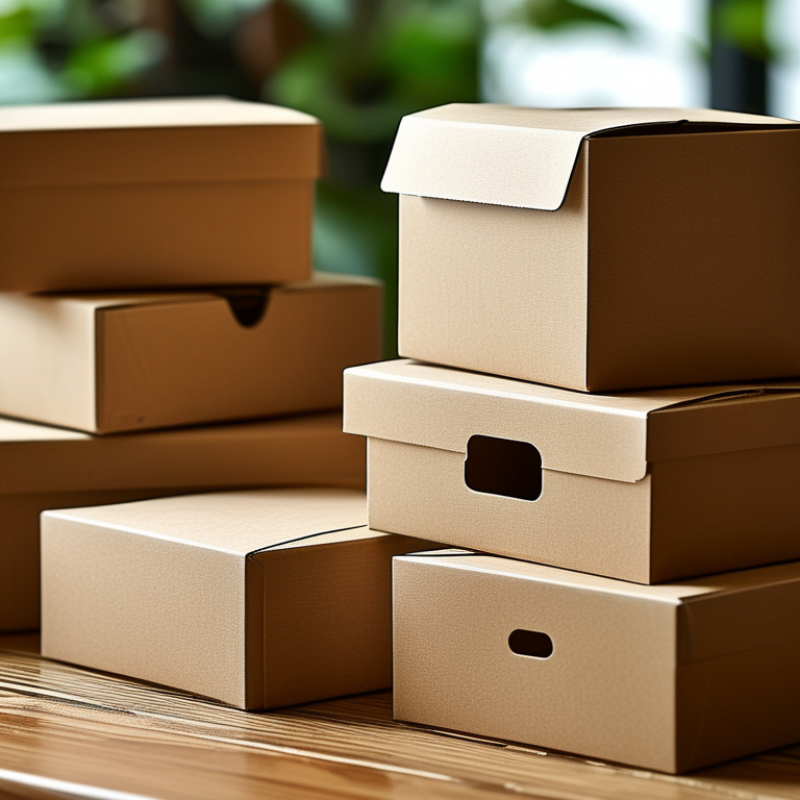
Folding carton boxes are lightweight paperboard packages designed to be cut, creased, folded, and glued into shape. They usually arrive flat, which reduces storage space and transportation volume. After filling, their panels fold along scored lines and lock or seal around the product.
Paperboard thickness varies by product weight, protection needs, and printing requirements. A small cosmetic item may need a compact carton with clean folding edges. A heavier household product may require stronger board and reinforced panels.
Die-cut windows, tuck flaps, hanging tabs, and internal inserts can improve visibility and presentation. The structure should fit the product closely, because excess space can cause movement and damage.
A useful packaging check is simple: fold a sample by hand, place the product inside, and test the closure several times. Watch for cracked creases, loose flaps, or difficult opening. Small errors become expensive during large-scale packing. Folding cartons can support efficient material use, but they are not automatically sustainable. Coatings, mixed materials, excessive ink, and poor recycling access may reduce their environmental benefits. Material selection needs evidence, not assumptions. They are practical packages. Yet good results depend on accurate dimensions, reliable board quality, and testing in real handling conditions.
Folding carton boxes are designed around product protection, shelf appeal, and efficient storage. The process begins with accurate product measurements, including length, width, height, and clearance for inserts. A packaging designer then creates a dieline with panels, flaps, cut lines, and fold scores. Small measurement errors can cause crushed corners or loose closures. That detail matters.
Material selection depends on product weight, moisture exposure, printing needs, and handling conditions. Paperboard thickness is checked in grams per square meter, while surface coatings improve scuff resistance and color consistency. Designers also consider grain direction, because incorrect folding may create cracks along the creases. A physical mockup often reveals problems that software misses. It is not always perfect.
Manufacturing usually starts with prepress inspection and a printed color proof. The approved artwork is printed on large paperboard sheets, then dried before die-cutting. Sharp steel rules cut the carton shape, while scoring rules create controlled fold lines. Folding and gluing equipment forms the final box at production speed. Operators inspect glue patterns, panel alignment, print registration, and closure strength. Samples may be tested through compression, drop simulation, and repeated opening. A carton that looks attractive but fails during transport needs redesign. Minor adjustments to flap depth or score pressure can improve performance significantly.
Folding carton boxes give products a practical balance of protection, presentation, and transport efficiency. Their paperboard structure shields items from scuffs, dust, and light handling damage. A snug carton fit also limits movement inside the package. That can reduce dents during ordinary shipping. These boxes remain lightweight, which may lower storage and handling demands. Less bulk can make warehouse organization easier.
Their flat design supports efficient production and storage before filling. Packaging teams can adjust the dieline, board thickness, locking tabs, and internal supports for different products. Clear printing can show instructions, ingredients, dimensions, and care details directly on the carton. This helps shoppers make informed choices without opening the package. A well-scored fold also creates a smoother opening experience. Small details matter.
Folding cartons are not perfect. Moisture, heavy compression, or poor folding can weaken them quickly. I have seen attractive cartons fail when the board grade did not match the product weight. Testing under realistic humidity and stacking conditions is essential. Recycled fiber can support responsible packaging goals, but its strength and surface quality still need evaluation. Choosing documented materials and clear disposal guidance makes the package more reliable. Good design requires honest testing, not attractive graphics alone.
Why Choose Folding Carton Boxes for Your Products?
The right folding carton begins with the product, not the decoration. Lightweight paperboard suits dry goods, cosmetics, and small household items. Thicker board gives glass bottles or electronics better support. Recycled board can reduce material impact, but its natural flecks may affect bright printed colors. For food packaging, select a board designed for the intended food-contact requirements. Moisture-sensitive products may also need an internal barrier coating.
Finishes should support both appearance and handling. Matte aqueous coating creates a soft, calm appearance and hides minor scuffs. Gloss coating makes colors appear brighter, but fingerprints become easier to notice. Foil stamping adds contrast to small details, while embossing creates a raised tactile area. Use these finishes carefully. Too many effects can make a carton feel crowded and increase production costs. In production reviews, I have seen attractive samples fail because delicate foil scratched during packing. That lesson is easy to overlook.
Tips: Match the board thickness to product weight. Test folds, corners, and closures before approval. Hold a printed sample under store lighting. Check color, texture, and readability. Do not judge finish from a screen alone. A practical carton should open smoothly, protect the product, and still look intentional after handling.
| Product Category | Recommended Carton Material | Typical Board Range | Suitable Finishes | Primary Benefits | Key Considerations |
|---|---|---|---|---|---|
| Dry Food and Cereal | Folding boxboard or solid bleached board with a suitable food-contact barrier | Approximately 250–400 gsm | Water-based coating, matte varnish, or aqueous barrier coating | Good printability, clean appearance, and efficient shelf presentation | The inner bag or liner may provide the main moisture and oxygen barrier; coatings must be suitable for the intended food-contact application. |
| Cosmetics and Personal Care | Solid bleached board or premium folding boxboard | Approximately 300–450 gsm | Soft-touch coating, matte varnish, spot gloss, embossing, or foil stamping | Supports detailed graphics, tactile differentiation, and premium shelf appeal | Dark or heavily inked surfaces can show scuffs; protective coatings and careful handling may be needed. |
| Pharmaceutical and Healthcare | High-quality folding boxboard or solid bleached board | Approximately 250–400 gsm | Matt or gloss varnish, tamper-evident features, braille embossing, and security printing | Clear information hierarchy, accurate text reproduction, and space for regulatory details | Packaging design must comply with applicable labeling, traceability, child-resistance, and tamper-evidence requirements. |
| Small Electronics and Accessories | Durable folding boxboard or coated recycled paperboard with an internal insert | Approximately 350–500 gsm | Matte varnish, aqueous coating, or selective gloss accents | Improves pack structure, protects printed graphics, and supports organized component presentation | The carton alone may not provide sufficient shock protection; molded-pulp, paperboard, or other inserts may be required. |
| Household and Cleaning Products | Coated folding boxboard or moisture-resistant paperboard | Approximately 300–450 gsm | Water-based coating, varnish, or functional moisture barrier | Better resistance to handling wear and occasional surface moisture | For liquid or leak-prone products, use a sealed primary container and validate carton performance under humidity and compression conditions. |
| Toys and Games | Folding boxboard or recycled paperboard selected for adequate stiffness | Approximately 350–600 gsm | Gloss or matte varnish, spot gloss, die-cut windows, and embossing | Strong visual impact, convenient die-cut formats, and space for product information | Avoid detachable small parts where relevant, and verify inks, coatings, and construction against applicable toy-safety requirements. |
| Premium Gifts and Specialty Items | Thick solid bleached board, premium folding boxboard, or paper-wrapped rigid-style construction | Approximately 400–700 gsm | Soft-touch coating, foil stamping, embossing, debossing, and selective gloss | Creates a high-value tactile experience and supports distinctive visual branding | Additional finishes increase cost and production steps; confirm folding, crease, and scuff performance before mass production. |
| Eco-Conscious Product Lines | Recycled folding boxboard or uncoated paperboard from a responsibly managed fiber source | Approximately 250–500 gsm | Uncoated surface, water-based coating, or minimal varnish | Can reduce reliance on plastic-heavy finishes and supports fiber-based recycling systems | Recyclability depends on the full package composition, inks, coatings, adhesives, local collection systems, and contamination levels. |
Choosing the right folding carton begins with the product, not the artwork. Measure the item after filling, including caps, inserts, and movement space. A glass jar needs stronger board and a snug fit than a lightweight soap bar. Check how the carton will travel, too. Warehouse stacking, humidity, and repeated handling can expose weak folds quickly. That part is easy to underestimate.
Select board thickness according to weight and protection needs. Paperboard with a smooth surface supports sharp printing, while a textured finish can hide minor scuffs. Request material specifications, compression tests, and samples before approving production. Fold and open each sample several times. Test the locking tab with real contents. A carton that works on a desk may fail on a packing line. Attractive prototypes can still jam when the glue area is too narrow.
Dimensions also affect cost and sustainability. An oversized carton wastes space, increases shipping volume, and may require extra filler. An overly tight carton can crush corners or frustrate customers. Compare flat-sheet yield, shipping efficiency, and disposal requirements with the supplier. Confirm that inks, coatings, and board grades suit the intended market. Do not rely only on a digital preview. Lighting can change colors, and final folds may shift the design. Leave room for revision. One early sample rarely answers every question.
Designers measure the product’s length, width, height, and required insert clearance. They create a dieline with panels, flaps, cut lines, and fold scores. Small errors matter. A physical mockup can reveal problems that software misses.
Paperboard thickness depends on product weight, moisture exposure, printing needs, and handling conditions. Lightweight board suits dry goods and small household items. Thicker board supports heavier products, including glass containers or electronics. Choose carefully.
Grain direction influences folding performance and crease strength. Incorrect direction may cause cracks along folded edges. The carton can look fine but fail during assembly. This detail deserves testing.
Matte coating creates a softer appearance and hides minor scuffs. Gloss coating makes colors brighter but shows fingerprints more easily. Foil stamping adds contrast, while embossing creates raised details. Too many effects can increase cost and visual clutter.
Large paperboard sheets are printed and dried before die-cutting. Steel rules cut the carton shape, while scoring rules create fold lines. Folding and gluing equipment forms the finished box. Operators inspect alignment, glue patterns, registration, and closure strength.
Samples may undergo compression testing, drop simulation, and repeated opening. Teams should also test realistic humidity and stacking conditions. Test it. A carton that looks attractive may still fail during transport.
Folding cartons protect products from scuffs, dust, light handling damage, and excess movement. Their lightweight structure can reduce storage and handling demands. Flat cartons also save space before filling. The balance is useful.
Match board thickness to product weight and test folds, corners, and closures. Inspect printed samples under actual store lighting. Do not judge finishes from a screen alone. I would not approve artwork without practical testing.
Folding Carton Boxes are lightweight, versatile paperboard packages made from flat sheets that are printed, cut, creased, folded, and glued into practical shapes. Their design can include custom dimensions, locking tabs, windows, inserts, and compartments to protect products while presenting information clearly. The manufacturing process combines structural planning with precise printing and finishing to create packaging that is both functional and visually appealing.
These boxes offer benefits such as efficient storage, easy transportation, product protection, and strong opportunities for customized presentation. Different products may require different paperboard grades, coatings, laminations, textures, or finishes, depending on their weight, sensitivity, appearance, and intended use. When choosing the right Folding Carton Boxes, businesses should consider product size, durability, printing needs, opening style, sustainability goals, production quantity, and budget. A well-selected carton can improve handling, communicate essential product details, and create a reliable customer experience.
Momei Printing