As we approach 2026, folded packaging is set to play a transformative role in the global market. This innovative technique offers both practicality and design versatility, making it favorable among brands. Understanding the latest trends in folded packaging is essential for buyers looking to stay competitive.
Recent studies highlight the need for sustainable solutions in packaging. Folded packaging can significantly reduce waste and resource consumption. Brands are exploring eco-friendly materials, enhancing their appeal to environmentally conscious customers. This shift is a reflection of broader market demands.
Yet, challenges remain. Many companies struggle to balance aesthetics with functionality. Some designs may look appealing but fail to provide adequate protection for products. Buyers must carefully consider these factors when choosing folded packaging. Overall, the future of folded packaging promises exciting developments paired with important considerations.
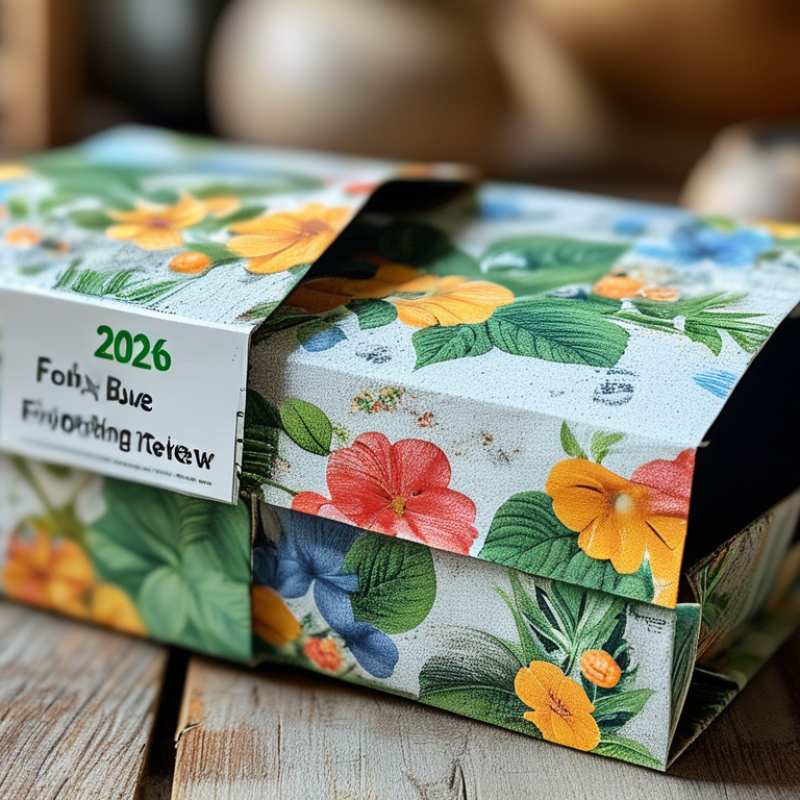
The foldable packaging landscape is evolving. By 2026, innovative materials will lead the way for global buyers. According to recent reports, sustainable materials are gaining traction. More than 60% of industries aim to use biodegradable or recyclable options. Plant-based plastics, mushrooms, and paper pulps are at the forefront of this shift. These emerging materials not only reduce waste but also lower carbon footprints.
Consumer preferences are also changing. A survey indicated that 70% of consumers prefer brands that prioritize sustainable packaging. This presents a challenge for businesses to balance cost and environmental responsibility. In places where recycling infrastructure is weak, implementing new materials can be difficult. Companies must invest in education and logistics to ensure effectiveness. Packaging must be durable yet functional.
Despite the push towards innovation, the journey isn't without hurdles. Transitioning to new materials can result in increased production costs. Also, performance standards need reevaluation. Will these new materials hold up in shipping and storage? Companies must address these concerns while striving for eco-friendliness. The road ahead requires strategic planning and collaboration within the industry.
Innovative design trends are reshaping folded packaging solutions as we approach 2026. Eco-friendly materials are gaining popularity. Brands seek sustainable options that do not compromise quality. This shift reflects consumer demand for environmentally responsible products. Designs are becoming more functional yet visually appealing. The balance between aesthetics and utility is crucial.
Customization is another vital trend. Packaging can be tailored to reflect the brand’s identity and message. Personalized designs create a stronger connection with consumers. Simple yet effective graphics draw attention on crowded shelves. Designs often prioritize easy assembly and storage, maximizing efficiency.
However, challenges remain. The industry must find ways to maintain durability while embracing new materials. Innovation can lead to waste if not managed carefully. Brands need to reflect on their choices and their environmental impact. Striking a balance between creativity and responsibility will be key as the packaging landscape evolves.
Sustainability is a pressing topic in the global folded packaging industry. Increasing consumer awareness drives companies to adopt eco-friendly practices. Many brands are now prioritizing recyclable and biodegradable materials. This shift is a response to growing concerns about waste and pollution.
Innovative design is crucial for sustainability. Companies are experimenting with new structures that minimize material usage. A thinner box can reduce the overall carbon footprint. Additionally, some manufacturers are exploring plant-based inks for printing, which are less harmful. However, there are challenges. Sourcing sustainable materials can be more costly and time-consuming.
Despite these challenges, businesses are embracing the journey towards sustainability. Many organizations are incorporating transparent supply chain practices. This not only builds trust but also encourages responsible sourcing. Collaboration within the industry is vital for progress, yet not all businesses are ready to change. Adopting these practices requires a commitment to long-term goals and a willingness to invest in new technologies.
This chart illustrates the top five trends in folded packaging that global buyers are focusing on for the year 2026, with a significant emphasis on sustainability and efficiency.
The impact of technology on folded packaging efficiency is profound. Advances in automation have streamlined production processes. Machines can now produce various designs with precision and speed. This enhances productivity while ensuring quality. Real-time monitoring systems help identify issues quickly. This minimizes downtime and reduces waste.
Digital design tools enable more innovative packaging solutions. Designers can visualize concepts in 3D before production. This reduces the need for prototypes, saving both time and materials. However, not all companies have access to this technology. Smaller businesses may struggle to keep pace with advancements. They must find ways to adapt to remain competitive.
Sustainability in folded packaging also benefits from technology. Eco-friendly materials are easier to source and manufacture thanks to innovative processes. Yet, the transition to sustainable practices can be challenging. Many businesses rely on traditional methods, causing a delay in adopting new technologies. Reflecting on these struggles can lead to better strategies for the future.
As we look toward 2026, consumer preferences are increasingly driving the evolution of folded packaging. Today's buyers favor eco-friendly materials, reflecting a heightened awareness of environmental issues. Sustainable options help brands connect with customers who prioritize responsible choices. This shift allows companies to enhance their image while meeting market demands.
**Tips:** Consider using biodegradable materials in your packaging. It appeals to a wide range of consumers. However, ensure these materials maintain functionality and aesthetics. Balance sustainability with brand identity.
Minimalist designs are also trending. Consumers appreciate clean lines and simple graphics. This approach not only catches the eye but also communicates clarity and honesty. Brands might find that less is more, leading to memorable customer experiences.
**Tips:** Test various designs to see which resonate with your audience. Gathering feedback can refine your approach, making it relatable and appealing. Emphasize your packaging’s role in enhancing product value. This creates a deeper connection with your consumers.
: Innovative materials like plant-based plastics, mushrooms, and paper pulps are leading the way.
Consumers increasingly prefer brands that prioritize sustainable packaging options, reflecting their environmental concerns.
Companies encounter increased production costs and the need to reevaluate performance standards for new materials.
Innovative designs that minimize material usage can significantly reduce the overall carbon footprint of packaging.
Many businesses are adopting transparent supply chain practices to build trust and encourage responsible sourcing.
Brands should use biodegradable materials while ensuring that packaging maintains functionality and visual appeal.
Yes, minimalist designs with clean lines and simple graphics are trending for their aesthetic clarity and honesty.
Brands should emphasize their packaging’s role in adding value, fostering a deeper connection with consumers.
A commitment to long-term goals and investments in new technologies are vital for embracing sustainability.
Yes, greater consumer awareness is driving a significant shift towards eco-friendly practices in the packaging industry.
The article titled "2026 Top Folded Packaging Trends for Global Buyers" explores the evolving landscape of folded packaging, highlighting significant trends anticipated for the year. It delves into emerging materials that promise to improve functionality and aesthetics in folded packaging. Innovative design trends are also examined, showcasing how creative solutions can enhance consumer experience while meeting brand needs.
Furthermore, the article emphasizes sustainability practices being adopted across the global folded packaging industry, reflecting a shift towards eco-friendly materials and processes. The impact of technology on the efficiency of folded packaging production is also discussed, illustrating how advancements can streamline operations and reduce waste. Lastly, consumer preferences are identified as a driving force that shapes these trends, underscoring the importance of responsiveness to market demands in the folded packaging sector.

Momei Printing